
Travel log

coucher du soleil

Archive for 2026

Commercial, hospitality, and tourism activities tied to the Baker family name remain part of Gaspé’s economic and historical landscape today. Few people, though, know the long, winding path that has marked its history for over two centuries.


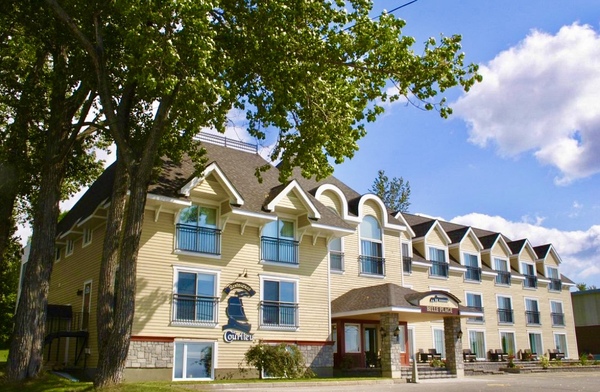
John Baker (1851–1930) first went into business in 1879, a few years after his father, John Baker Sr, moved from the Gaspé Peninsula and settled downtown. He then opened a tavern at the tip of the Vieux-Port de Gaspé. Two years later, with the tavern thriving, John Baker bought two lots on rue de la Reine (then Queen Street) from Ernest Tëtu. He built a Victorian-style building there and named it the Hôtel Baker.
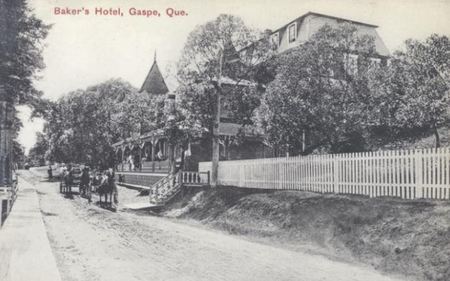
Hôtel Baker
Afterwards, many events and upheavals (including the world wars, fires, deaths, and significant legislative changes in Québec related to private salmon fishing clubs) influenced the life of the Hôtel Baker. The 1920s were prosperous years. According to some accounts from the time, the Hôtel Baker’s ballroom was very popular between 1920 and 1929, during the Roaring Twenties. The lavish costume balls held there drew the Gaspé aristocracy of the day.


By then, John Baker owned three buildings: the One Ash Inn and Baker’s Lodge, which mainly served fishermen and hunters, while the Hôtel Baker primarily accommodated tourists and commercial travellers. John Baker died in October 1930 in Waterloo, Ontario. His estate was divided among his three great-nephews, and management passed to William Baker. The Baker empire eventually ran into trouble, largely because of new government legislation that in turn eliminated private fishing clubs, replacing them with provincial reserves. The hotel and Baker’s Lodge were sold. William Baker died mysteriously at the One Ash Inn in March 1956, of a presumed heart attack.


This would spell the end of the Baker family’s reign in Gaspé’s hotel industry after more than a century. In May 1974, the Hôtel Baker was sold once again to a group of businesspeople from Gaspé, including the current owner, Roger Denis. In a grim twist of fate, Baker’s Hotel burned down on 31 July 1975. A few months after the fire, the same group of investors decided to take on the construction of a new hotel on the same site as the old Hôtel Baker.

 
Perched on an exceptional site overlooking the Sud-Ouest basin of Gaspé Bay, the building opened in June 1978 as the Auberge des Gouverneurs. It had 44 rooms, along with the 12 motel units previously built as an addition to the Hôtel Baker.
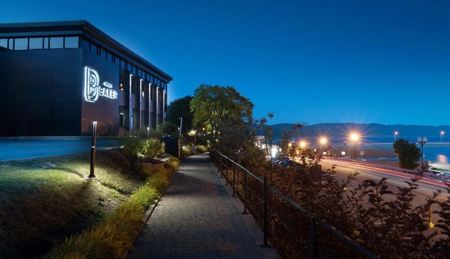
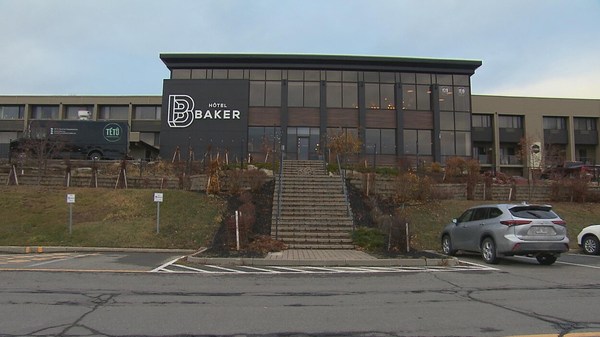
Hôtel Baker
So it’s quite a saga, partly recounted here, that preceded the arrival of the current owners. The general manager, Pascal Denis (also a shareholder in the company, along with other family members), is proud to have maintained Québec ownership of the establishment.

 
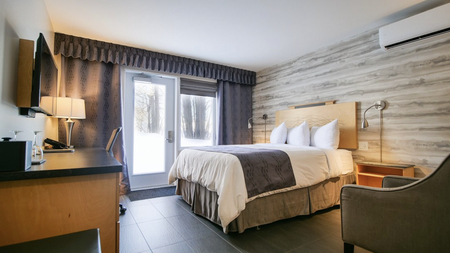
Since 2001, major changes and expansions have confirmed the hotel’s position as a leader in hospitality, dining, and conferences in Gaspésie. These took the form of 14 new rooms, a 102-seat cinema, as well as the expansion of the conference rooms and of the Têtu restaurant. “In addition to our many services, our aim was to become a destination in its own right, and we’ve now achieved that, year-round,” explains Deputy Director Christine Cabot. She also points out that each year, upgrades and maintenance work keep equipment of superior quality in the five room types on offer and elsewhere in the property.
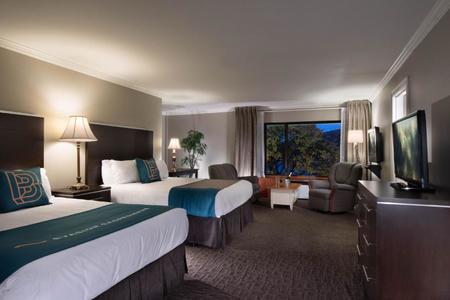
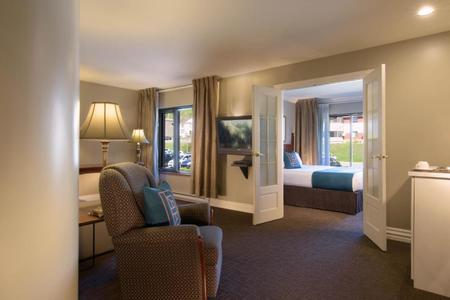
Hôtel Baker Hôtel Baker
As for the restaurant, the Gaspésian tavern Têtu aims to be a hybrid of a family restaurant and a sports bar, in a warm and unpretentious atmosphere. Its name, as you may recall, evokes that of Ernest Têtu, the owner of the land where the hotel was built. To give diners a taste of Gaspésie and of Québec more broadly, they revisit culinary classics for a flavourful experience. No wonder the dining room is constantly full.
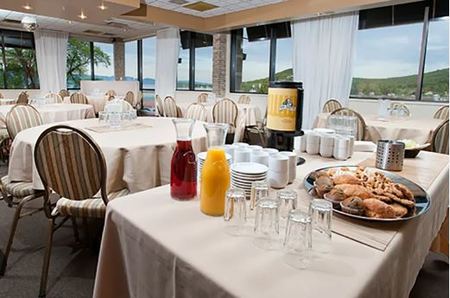
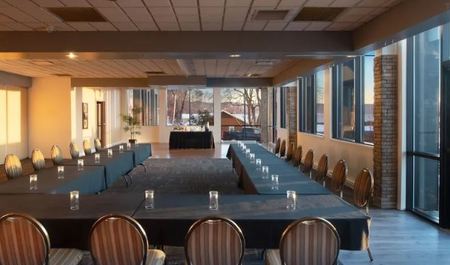
Hôtel Baker  Hôtel Baker
As for the cinema, the management wanted to fill a gap in Gaspé at the time, for the enjoyment of the local population as much as of hotel guests. A popular film is screened each week. The schedule is posted on the website.
Finally, the hotel is frequented by groups of tourists arriving by bus. In winter, groups of snowmobilers and ATV riders arrive via the trails to stop over for a rest and a meal.

Hôtel Baker
hotelbaker.ca
178, rue de la Reine
Gaspé (QC) G4X 1T6
418-368-3355

David Soucy is a forestry engineer. Yan Lévesque is an electromechanical engineer. A certain evening over scotch in 2016, so to speak, gave rise to a project. It grew out of a shared passion for spirits, a creative dream and a desire to take part in their region's development.
For more than two years, they developed the concept for their distillery, taking care to make informed and logical choices. Since water is the foundation of production, they decided that water from the Mitis River would best meet fermentation requirements and produce a product that measures up to fine spirits industry standards. The choice of location followed from that decision: near the river, in Mont-Joli.

Distillerie Mitis
The product creation process, in line with their values and quality standards, requires partnerships with local businesses and organizations that specialize in their field. Jardin de Mitis (mountain pine) and Ma cabane en Gaspésie (concentrated maple sap) are two examples, among others.
Distillerie Mitis
The specialized equipment that makes up the still was designed and built according to Yan's concept (Yan is the team's mechanic). This equipment accounts for a large share of the final result once the various ingredients are blended. Aging in oak barrels is also an important factor in the rum's quality. Maceration in selected, toasted Québec wood, such as sugar maple, yellow birch and apple, is paired with French and American white oak to produce a balanced, lively and woody spirit: Mitis.
Frimas vodka was launched in June 2022, flavoured with Québec sea buckthorn fruit! Slightly fruity and tart, smooth and mellow, it can be enjoyed neat, on ice or in cocktails.
The shop at the Mont-Joli distillery also stocks a few branded items for enthusiasts. Worth a visit if you're passing through the area.

Distillerie MitisDistillerie Mitis
distilleriemitis.com
1034, avenue de la Gaspésie
Mont-Joli, QC G5H 0B2
418.775.4011

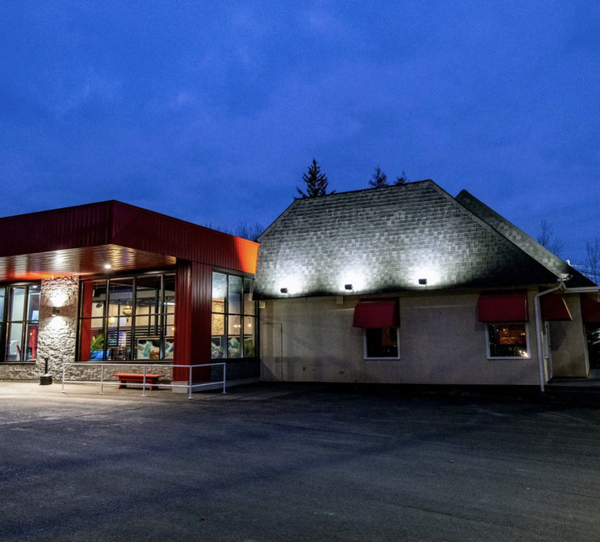
Nadia-Karina Minassian and her partner took over the Motel Fraser in Chandler in 2010. Twelve years later, they’re proud of what they’ve accomplished. They have made it a leading hospitality and dining destination in the area, thanks to major investments in renovating and upgrading the reception, accommodation and dining facilities.

The general manager stresses that the work was carried out with local products, materials and artisans.
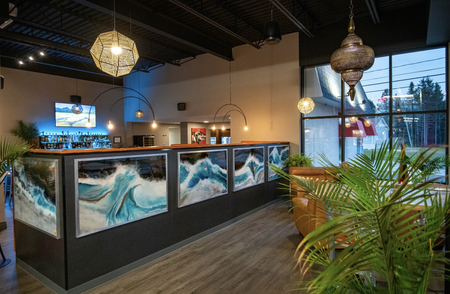
The hotel has 30 rooms and two neighbouring guesthouses. The rooms have been substantially renovated over the years. The restaurant le Sieur de Pabos has also been improved, on the kitchen side as well as in the dining room. The menu offers contemporary regional cuisine highlighting local and fresh produce. The hotel has also fitted out three meeting rooms. It is open year-round.

Motel Fraser
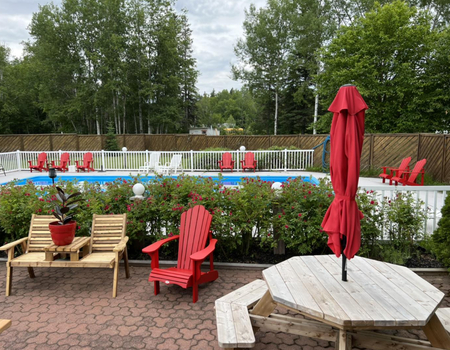
For the past three years, including during the COVID pandemic, the hotel has developed on-site activities with entertainment, while visitors, especially families, could not enjoy activities elsewhere in the region, as everything had been put on hold. This continues and will remain on the program, notably at the hotel’s pool.

Motel Fraser
The company’s general manager is a well-known figure in the region. With a degree in regional development, she has worked as a business restructuring consultant, as well as serving as president of Tourisme et commerce de la MRC de Percé. More recently, while running her hotel, she held the post of prefect of the MRC de Rocher-Percé, as well as serving as president of the Table des préfets de Gaspésie.
Nadia is also taking part in a joint initiative with four other regional hotel managers to develop sustainable development strategies for their establishments, with the aim of obtaining certification. Motel Fraser, however, has already put several measures in place in this direction.

Motel Fraser
motelfraser.com
325, rte 132
Chandler (Qc) G0C 2J9
418.689.2281

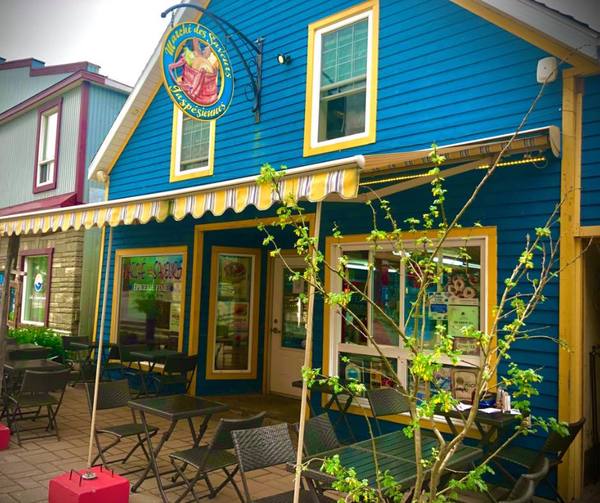
Whenever you come across the term 'gourmet food shop' associated with a business, you often expect to find imported, little-known, rare or high-priced products, or even 'questionable' terroir products. At the Marché des saveurs gaspésiennes, in the heart of the restaurant, bar, boutique, hotel and other business district on rue de la Reine in Gaspé, they've spent 20 years trying to show that there is every reason to take an interest in this range of fine products, especially for making meals and recipes stand out from the everyday.

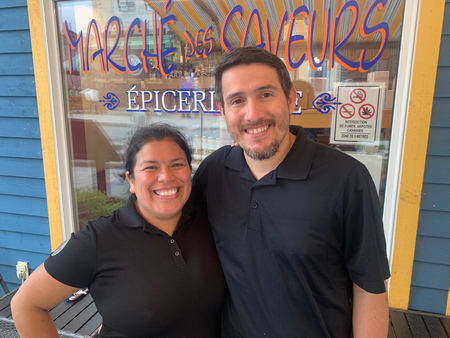
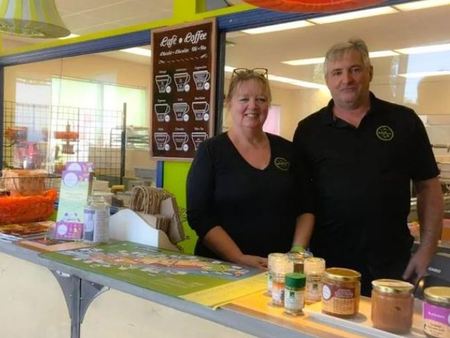
Since 2022, the business has changed hands. Claudia Romero and Ricardo Granja arrived in Québec and Gaspé from South America 11 years ago, when they were 26. They now run this gourmet food shop, one of the most popular of its kind. Both come from families of entrepreneurs. Since their arrival in Gaspé, Claudia has completed business succession training, worked in customer service and tourism, and has even taught French to foreign workers based in Gaspé.

 Marché Saveurs
Claudia says she’s living a dream come true. After many years alongside the owner of the legendary Marché des Saveurs Gaspésiennes, she bought the business to put down roots here. She saw him as a mentor. She had long had her eye on the shop, which she had already been visiting for a long time. When he told her he intended to sell, she jumped at the chance, and they quickly agreed on the terms of the transfer.


'We wanted to build a business. We wanted a project in aquaculture, our specialty, but we found that difficult. It came to more than four million dollars,' Claudia explains. 'We contacted our creditor and took over the business I’d loved ever since we’d been living around here,' she adds, a contented woman who lives on the peninsula with her children, Marycielo and Ricardo.

 
Ricardo chose to join his partner in this new venture. He looks after the kitchen and purchasing, among other things, while Claudia is in charge of administration and human resources. They employ 14 people, several of whom have been there for a few years.

Marché Saveurs
Although the takeover happened in the middle of the pandemic, Claudia is happy with their choice. "We learned a lot, and I love learning! It was tough, because we had to manage product and labour shortages, and the frequent changes in prices and health regulations were a bit overwhelming. But don’t panic; you have to take things one at a time. I’m happy with what we’ve accomplished. We even managed to bring our values and our character to this already well-established business."

"The labour shortage is a major challenge, and we’ve decided to address it by bringing in staff from abroad. We’ll support these people and make sure they feel at home.

Marché Saveurs Marché Saveurs

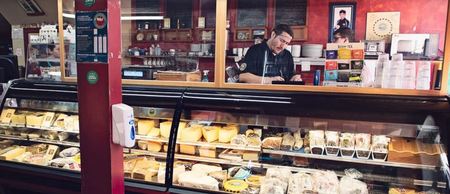
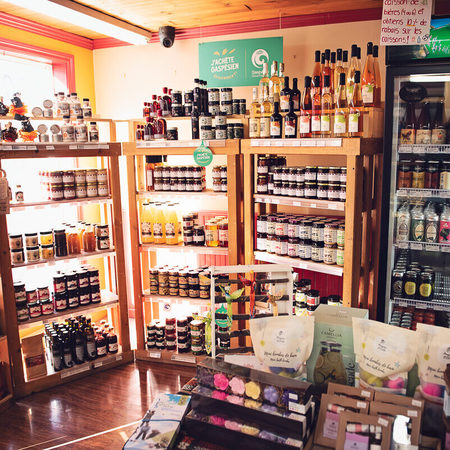
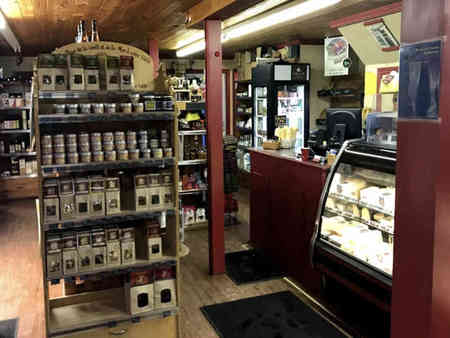
The Marché des Saveurs Gaspésienes is one of the few places in Gaspé where you can find bakery bread and pastries. You’ll also find a wide selection of fine cheeses and beers from Gaspé microbreweries. Local products are available: smoked salmon, soaps, meat, coffee, and so on. There are also imported European products. Several dishes are cooked on site for takeout.


As if running this business wasn’t enough, Claudia secured a canteen concession (Délices Forillon) at the Centre récréatif – secteur sud du Parc national de Forillon. Park managers were looking for a concessionaire for a two-year contract. She submitted an application and was awarded the contract. Park visitors can enjoy some of the dishes cooked in Gaspé, cheeses, charcuterie, pastries, and much more. An employee has been assigned to run the canteen.


Asked whether she has advice for people who want to start or take over a business, she says never to give up. "It's wonderful to be able to achieve it. You need to encourage one another as a family," she murmurs.

Le Marché des saveurs gaspésiennes
marche-de-saveurs-gaspesiennes.business.site
119, rue de la Reine
Gaspé, QC G4X 1T5
418 368-7705

Whether you like strawberries a little, a lot, passionately, or not at all, you certainly won’t stay indifferent when you step into the Ferme Bourdages shop in Saint-Siméon-de-Bonaventure.

Ferme Bourdages
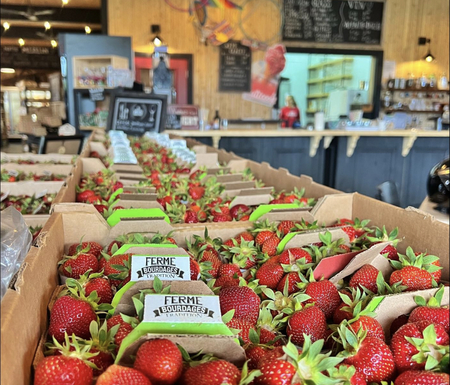
From the moment you arrive, you sense that something remarkable awaits. That feeling is quickly confirmed when you see the variety of products on display in this spacious shop, most of which have one thing in common: strawberries. It’s the largest producer in Gaspésie.
You’ll also find the strawberries themselves, in their simplest form, along with various products grown in gardens or sourced from local producers, including seasonal vegetables, jams, tarts and pies of all kinds, as well as breads and pastries. As for the strawberry wines, all named in honour of the Bourdages ancestors, you can sample them at a tasting counter. You can also eat there, with several dishes on offer.

Ferme Bourdages
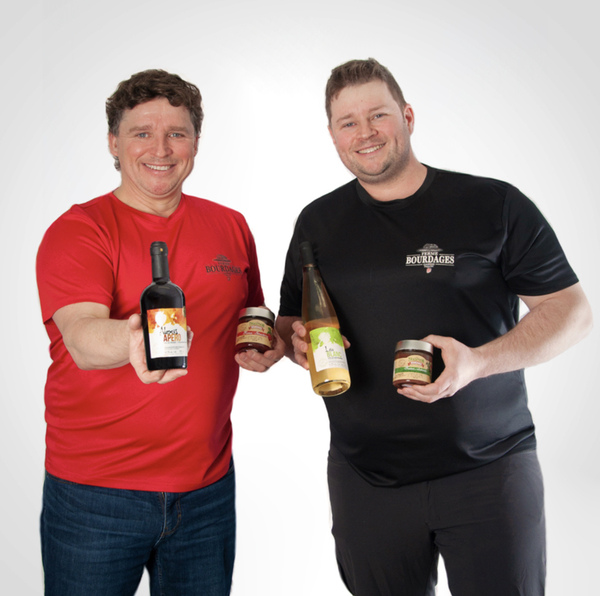
Pierre Bourdages, the company’s general manager and co-owner with his brother Jean-François, explains that this display of products and flavours is the result of 200 years of cultivation on the family farm. They are the sixth generation of Bourdages on this land, which carries on its tradition of abundance and quality.
The Ferme Bourdages shop is more than a store: it’s a sensory and cultural experience. And while the products can’t carry the organic label, Pierre Bourdages assures that the cultivation and processing methods come close to organic standards, using predatory insects and other processes that ensure the highest quality.
Initially, the farm was meant to provide for the family. In the 1990s it became a market garden, after Pierre graduated in agricultural technology and bought the farm with his parents. That's when strawberry production took off. Needless to say, it's the result of intense effort. Today the strawberries benefit from expertise that makes them some of the best-tasting on the market, says the farm's co-owner, who talks about them with passion.
Wine production, for its part, began in 2000, when Jean-François joined the team and completed training in the wine sector. Today, Ferme Bourdages produces 45,000 bottles of strawberry and rhubarb wine a year. In addition to the Saint-Siméon shop (60% of sales), the wines are distributed to 100 businesses across Québec, including some SAQ outlets.
Ferme Bourdages employs around 100 people, including nearly 30 Mexican workers who return each year to lend a hand with field work and elsewhere.

Manoir Belle Plage
Renowned for its distinctive hospitality, Manoir Belle Plage de Carleton-sur-Mer offers a stay in complete comfort in a place steeped in art, culture and history. As soon as you step inside, you sense the owners’ long-standing care for these interests. You’re quickly charmed by the tranquillity of the setting and the quality of its services and facilities. 

Manoir Belle Plage
The property has unobstructed views of the baie des Chaleurs at the front, and of mont Saint-Joseph and the garden at the back. It has 39 rooms, plus 6 apartments in Maison Cullen and its Pavillon. It also houses two meeting rooms and a gym. In the parking lot, an EV charging station is available to guests who drive electric vehicles.
The dining room serves breakfast to hotel guests, while in the evening, Bistro Cerf-Cuit-Court offers Gaspésian gourmet cuisine that the chef builds around the produce of 30 producers from the Baie-des-Chaleurs.
Resolutely human, the corporate culture at Manoir Belle Plage focuses on people’s well-being, David Comeau explains. Sustainable development, deeply rooted in its values, is reflected in efforts for the environment, but also in the promotion of local artisans. Each room displays a custom-made craft piece and a selected work by an artist from Gaspésie. The common areas are also decorated in the same style.
For the hotel’s 75th anniversary in 2024, David Comeau talks about consolidating past achievements for the future. No major development is in sight. The aim is to keep the human side and refresh the decor a little on an ongoing basis. Sustainable development will keep its place at the top of the company’s values.
A rich history and a well-established tradition
Originally, the establishment was a beautiful English villa in the Anglo-Norman Regency cottage style. Named Stella Maris, this summer residence had been built around 1921. In 1949, the villa was converted into a hotel (the Belle Plage), and motels were added.
Later, Rollande Arsenault, from Caplan, and Raymond Comeau, from Baie Sainte-Marie (Nouvelle-Écosse), met. While skiing in the Laurentides, the couple drew a parallel between tourism development in the region and the potential of Gaspésie. That was all it took for the pair to launch into an entrepreneurial venture, with plenty of flair but no experience.
In 1965, Rollande Arsenault and Raymond Comeau acquired the establishment, which grew thanks to their ideas and good care. In 1978, they purchased an existing building in Carleton and moved it onto the hotel grounds. In 1988, they expanded from 10 to 24 units, built a reception area, and meeting rooms were fitted out. The establishment was renamed Manoir Belle Plage.
A spirit of innovation, courage, and a constant concern for customer satisfaction were the keys to the success of the family business they went on to grow. After Mr. Comeau’s death in 2010 at the age of 73, his spouse continued to watch over Manoir Belle Plage for nearly a dozen years before joining him in 2022.


Manoir Belle Plage
Since 2006, their son David has been the owner and general manager of the establishment. David grew up and lived in the hotel. He was steeped in that culture from a very young age. "I've always been proud of what my parents did, of their involvement in the community, of the business, and of what it represented in the village." After earning a bachelor's degree in administration, David Comeau completed a master's in regional development. His topic: the tourism industry of Carleton-sur-Mer.
For the Comeau family, Manoir Belle Plage has always been the family home. "I grew up in the hotel. We ate at the restaurant three times a day, 365 days a year." In 2015, after 40 years living in the hotel, David Comeau bought a single-family house behind it. Today he lives there with his partner, Maryse Tremblay, and their two daughters, Marianne and Geneviève, who are, in turn, gradually getting involved in the business.

Manoir Belle Plage

manoirbelleplage.com

474, boul. Perron

Carleton-sur-Mer, QC G0C 1J0

(418) 364-3388

In Québec, a culinary capital par excellence, Stéphane Modat’s name is firmly established among the must-know chefs and high-end restaurant owners. When you’re invited to spend some of his valuable time discussing Le CLAN’s concept and then enjoy his tasting menu, you can’t help but feel privileged.

This Frenchman arrived in Québec 25 years ago already carrying quite a bit of experience, ideas and projects. He made a name for himself in several well-regarded establishments in Québec before taking over as head chef at Champlain, in the prestigious Château Frontenac, a position he held for eight years. Then came the Covid pandemic in 2020. He saw it as an opportunity to make changes and launch his own business.
In February 2021, he left the Château. His search led him to the former Café de la paix on rue Des Jardins. The legendary establishment, founded in 1952, had once been a landmark of French cuisine in Québec before closing its doors in 2013. Why this place rather than another? ‘You have to write history in something historic,’ Stéphane Modat said as he prepared to establish his Clan there.

Le Clan

By definition, a clan is a small group of people who have ideas and tastes in common and share them within their circle, or a group that supports one another out of passion or interest. For Chef Modat, this concept applies to his business model: gathering around him producers, market gardeners, processors, artisans and merchants who offer quality local and regional products, and introducing them to his customers from here and elsewhere. In doing so, he builds a terroir community while helping to develop a Québec gastronomy with international reach.

Meat, game, fish, seafood, vegetables, spices and other products are always in Stéphane Modat’s sights. He travels the regions to keep discovering the finest products and the most original, accomplished producers. “No compromise is possible in this field,” he insists. The restaurant’s logo, in the heart of Vieux-Québec, clearly captures this spirit. It brings hunting and fishing products together in a terroir setting, which reflects the chef’s love for these activities.

What drives him day to day since he created le Clan? “I feed the world! I’m lucky to welcome people into my home and to offer them the best in every way!”

Le Clan

One of the key elements of le Clan’s formula is that everyone enters through the kitchens. Customers, suppliers and staff alike gain access through the place where everything really happens. Once upstairs, you are immediately immersed in an atmosphere that prepares you for what follows. “Welcoming people is my passion,” chef Modat says.

The tasting menu we sampled during our visit is, on its own, a complete culinary and emotional adventure. You move through many flavours, delighting in each dish’s presentation before it even reaches your mouth. The Baie-Comeau scallops (summer vegetable aguachile, squid ink, trout roe, pickled onions), the Châteauguay yellow sturgeon (Jerusalem artichokes, cranberries, almonds, caribou, ginger), the Cap Saint-Ignace guinea fowl (miso morels, foie gras, tempeh, poultry cream), the Hommage à Marie-Victorin (Lactarius, blueberry, Labrador tea, spruce), and their wine pairings. These are a few examples of what awaits lovers of truly unique gastronomic discoveries.

Le Clan Le Clan Le Clan Le Clan

Chef Modat has also been innovating since summer 2024 with his lunch menus in a tapas-style "Café de la paix" format. They are popular with industry workers and with visitors looking for culinary curiosities based on Québec terroir products. He also accepts invitations to share his talents as a guest chef at other establishments, and even occasionally on cruise ships docked at the port of Québec. He takes part in international events as an expert speaker, both here and abroad.

Stéphane Modat, father of four children (now adults and teens), all born in Québec, has also been involved in the community for several years, notably at Patro Roc Amadour de Limoilou, which his children attended. There, 180 servings of bouilli with vegetables were served as part of a fundraising event. His friend Peter Simons, of the company bearing his name, which is over a century old, joined him for the occasion.

Worth noting, last May the Guide Michelin recommended Le Clan in its prestigious, world-renowned gastronomic directory. The restaurant was also named "Restaurant of the Year 2025" in Québec at the prestigious Lauriers de la gastronomie.

Le Clan

This entrepreneur from France has fully integrated into his adopted city, Québec. He has become a living symbol of the idea that determination, innovation, quality and diversity are essential ingredients for success. Le Clan reflects well what he considers the secret of his commitment: "Act for the right reasons, without compromise. The best ideas arrive tomorrow!" he is convinced.

Le Clan
Le Clan
restaurantleclan.com
44, Rue des Jardins
Québec, QC G1R 3Z1
(418) 692-0333

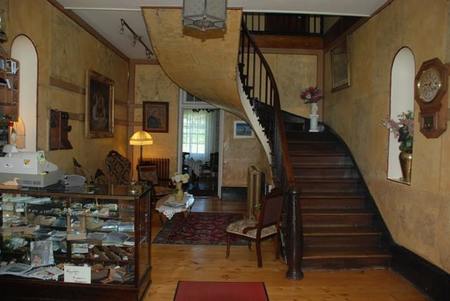
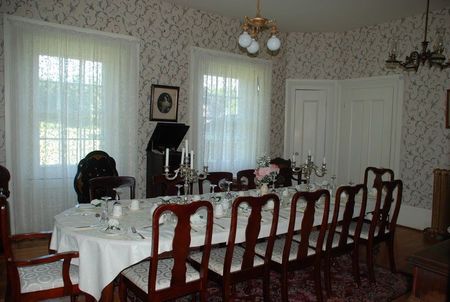
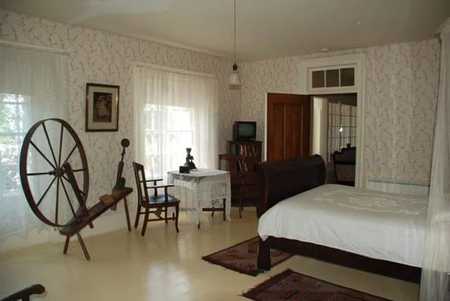
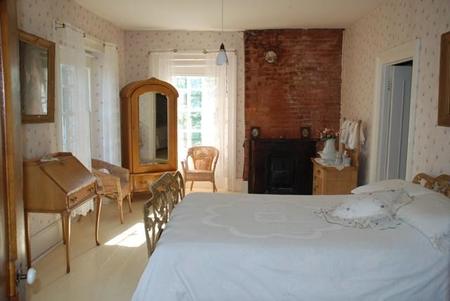
For much of its existence since 1864, it was the mayor’s house, the post office, the town hall, a museum, and more besides. In 2018, Sylvain Tanguay (a local son) and family partners bought the ancestral inn after falling for it at first sight. For him, it was a chance to return to the region and embark on a new career as an innkeeper.

Chambre Seigneurie des Monts
The inn has 17 rooms, both ancestral and modern, with balconies and verandas overlooking the sea, and it offers an exceptional experience of comfort and contemplation. It is welcoming to the whole family. From breakfast to dinner, the dining room and terrace come alive as the tides come and go. Tall trees ring the grounds, acting as tireless protectors of the unique heritage, right beside the parish church.

Sylvain Tanguay Seigneurie des Monts
He is now the sole owner, having bought out his partners, and relies on the inn’s various features to satisfy tourists.
You’ll find genuine artifacts and antiques from the inn’s history throughout the common areas and guest rooms. There is also a café and a small dining room, where you can sit down for coffee, breakfast, or a crêpe from the in-house crêperie.


Café Seigneurie des Monts
As soon as you arrive, you’ll also notice the large gallery, which acts as a covered terrace overlooking the gulf directly opposite.
Firmly rooted in the heart of the inn’s oldest section, the La Vieille Maison Art Gallery,inviting you to an exhibition of paintings by the painter Lise Tanguay. Poetic texts accompany the works on display.
The innkeeper grew up in a family where his mother would welcome people into the home, for example to give them lodging or comfort in times of hardship. So from a very young age, he was steeped in these values of hospitality and kindness, which serve him very well today.
La Seigneurie des Monts: a good starting point for the “Tour de la Gaspésie”!

Auberge la Seigneurie des Monts
bonjourgaspesie.com
21, 1ère Avenue Est
Sainte-Anne-des-Monts, Québec, G4V 1A2
418.763.5308

In 1852, John Robinson Hamilton began building a manor in the English neoclassical style on a vast plot in the heart of the village of New Carlisle, in Gaspésie. The style was very rare in Québec.

 
Born in Québec, he studied at the Bar, became a lawyer, and practised in Québec before settling in Gaspé and then New Carlisle. After his father died when he was 11, his mother married a French-Canadian, which certainly contributed to his perfect bilingualism.


He served in the Assembly of Bas Canada as deputy for Bonaventure County (1841–1844), and was also appointed Queen’s Counsel. He was later re-elected and defeated on a few occasions, until 1851. He was finally elected to the Legislative Council in 1858.

 
He married an American in New-York in 1831 and had a family of four daughters and five sons, who lived and grew up in New Carlisle. One of them, too, was elected deputy for Bonaventure in Québec from 1867 to 1871.

A unique manor
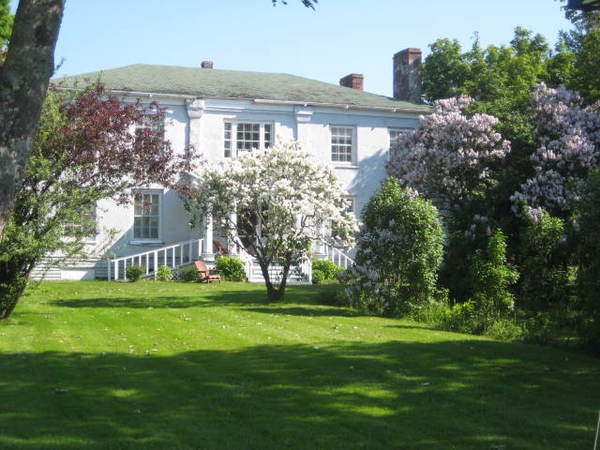
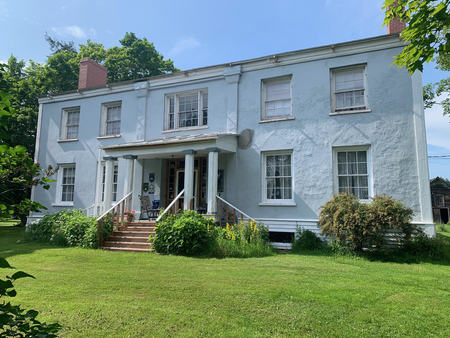
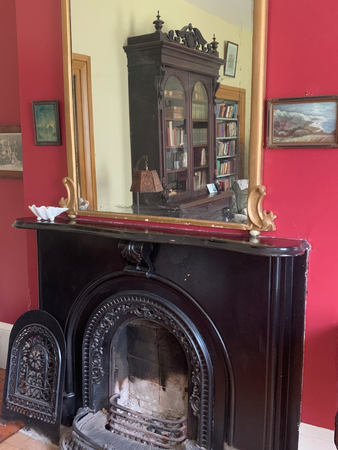
The construction of the Manoir took four years. The building is of great heritage value. It also has four chimneys and eight fireplaces. All of its exterior walls are made of stone. The architecture of manoir Hamilton is unique in Gaspésie and was influenced by the Palladian style of Andrea Palladio, the Italian Renaissance architect.

Manoir Hamilton
The family lived there for a long time. It was then converted into a hotel and later into a summer residence. John Robinson Hamilton died there on Christmas Eve in 1870.


The manor tour is a must-see. Every room is furnished with period furniture, carpets, old books, paintings and tableware, and the visit undoubtedly transports us to the 19th-century atmosphere of the Loyalist era in Gaspésie.

Manoir Hamilton 

Manoir Hamilton

Manoir Hamilton

Manoir Hamilton

The kitchen has a traditional bread oven and a hearth with a crane. The Manoir Hamilton offers five cosy and comfortable rooms furnished with period pieces. You are served a gourmet breakfast in the morning.


In 2004, Nicole Duguay acquired the Manoir and the neighbouring campground with her partner at the time. She saw herself as somewhat privileged to be able to live such a 'princess' dream. The manor had been abandoned for about forty years when they began converting it into a tourist guesthouse. Ms. Duguay reportedly invested nearly $300,000 to renovate the building’s interior.

Manoir Hamilton
A few years later, the building’s condition called for further major work. No funding was available from the Ministry of Culture, from either level of government, from the Municipality, or from Heritage New Carlisle, since the building was not owned by a non-profit organization. It was concluded that a buyer had to be found who could invest in the repairs and keep the accommodation running in a heritage setting.


In 2014, the Manoir was sold to Marcel Rancourt of Groupe GID, whose head office is in Québec. Rancourt is an entrepreneur who helps clients develop cultural projects and projects in social, community, or economic development. Nicole Duguay remained the manager, as well as the owner of the neighbouring campground, which she runs.

Manoir Hamilton Nicole Duguay, manager of the Manoir
Since taking ownership, Mr. Rancourt has invested in restoration work on the exterior walls and the four chimneys, in the electrical system, and in converting the heating system to electric. Mr. Rancourt plans to continue over the coming years to maintain the Manoir in good condition.


An all-inclusive campground
Camping du Manoir is an oasis of tranquillity facing the baie des Chaleurs. Twelve sites offer three services, 30-amp electrical hookups, showers and a laundry room. Breakfast is available at the Manoir.
Well located in the heart of New Carlisle, it’s popular for short stays

Manoir Hamilton
manoirhamilton.com
115, boulevard Gérard-D.-Lévesque
New Carlisle (Qc) G0C 1Z0
418 752.6498

Camping du Manoir
113, boulevard Gérard-D.-Lévesque
New Carlisle (Qc) G0C 1Z0
418 622-4880

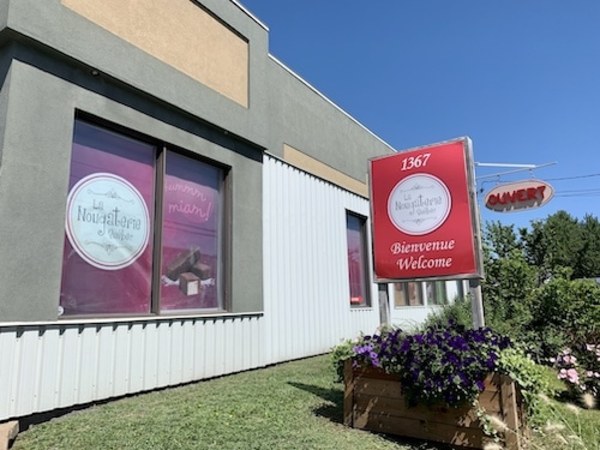
Since 2008, Île d’Orléans has been home to a business founded by a couple who have never stopped pouring their heart and passion into it, making it what it has become today. Originally known as "Aux petites douceurs", it offered terroir products, Québécois creations and, as its name so aptly puts it, "little sweet treats".

 
Both European but well travelled, they chose to make the move from Martinique to Québec in 2006, after visiting a few times and falling in love with the place. Steeped in confectionery culture, they have been in the culinary and pastry business for more than 45 years.

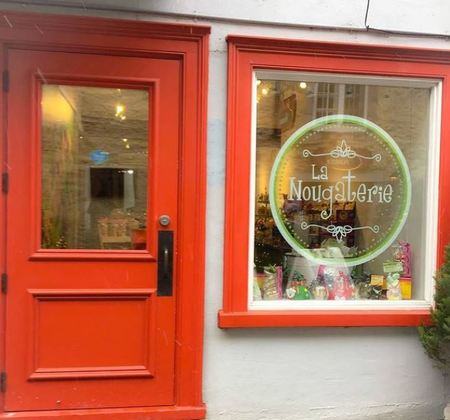
 La Nougaterie
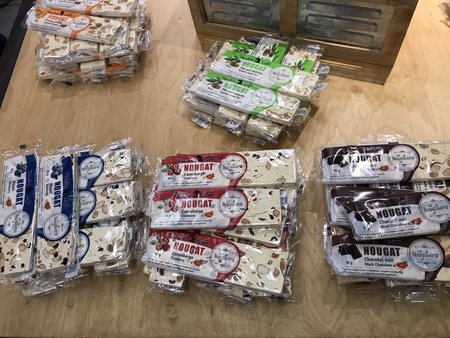
A few years later, Caroline Marelli and Patrick Augier had the idea of making all these little treats themselves, which they offered at their shop, now called La Nougaterie. They chose to work with nougat, combining it with honey and maple, two natural sugars.

 
Nougat is made from egg whites. "No colouring, no additives, no chemicals," Caroline assures. Almonds, pistachios and orange blossom are added to these confections, which come in various shapes. It is made following an artisanal, old-fashioned recipe.

 La Nougaterie
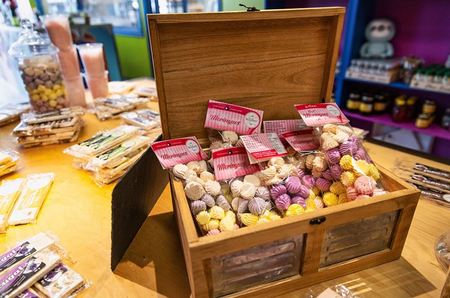
La Nougaterie also offers its sweets and other treats, with recipes worthy of the finest, especially meringues, marshmallows, lunes de miel, spreads and jams, bouchons de l’île, fruit butters (apple, blueberry, etc.) and nougats in all their forms and in a good number of fruity flavours. Caroline is quick to add that nougat is a very energizing product, low in calories.


On Île d’Orléans, they make 14 flavours of nougat candy, and the caramel ones are the most popular. Lunes de miel are also popular. The full range is worth a look at the shop in Saint-Pierre, not far from where the great Félix Leclerc spent much of his life.

La Nougaterie
You can also visit the online shop and order your favourite products.
La Nougaterie also has a shop in Québec's tourist district, at 51 rue du Petit Champlain.

La Nougaterie

Nougat known in Antiquity
Nougat, a soft and smooth confection dating back to Antiquity, was made in the Orient with almonds, honey and spices. The Greeks also knew how to make it, using walnuts. In the 14th century, confectioners in Damas, Syrie, decided to make a softer nougat and incorporate pistachios from Alep, which gave it a pleasant aroma.


Various soft and hard varieties emerged over the centuries. The true nougat, as we know it today, appeared in the mid-18th century. Egg whites, blended with honey and sugar, were added, which helps to aerate the paste well.


La Nougaterie de Québec
nougateriequebec.com
1367, Chemin Royal
Saint-Pierre-de-l’Île-d’Orléans
(QC) G0A 4E0
418.991.0889

RSS Feed

Subscribe

Categories

Tags

Latest Posts

Archives