

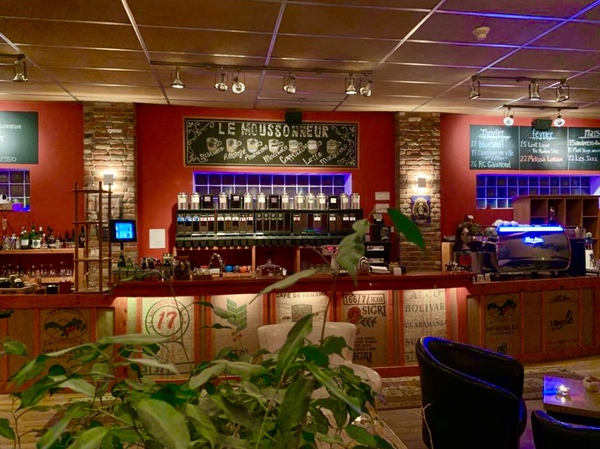
In Rimouski, on rue Saint-Germain ouest, the façade gives very little hint of what awaits visitors. Inside, there is a spacious, cozy area with small armchairs around a coffee table and a bistro section. At the back, a large room with subdued lighting is where small groups gather to chat or meet while enjoying the roaster’s unique, specialized products.
Then there’s the large counter. Behind it, you’ll find two dozen silos filled with a variety of coffee beans, ready to take away, ground to the customer’s taste, or enjoyed on the spot in a range of choices and formats. Thanks to a team of trained, knowledgeable baristas, all of this is possible.
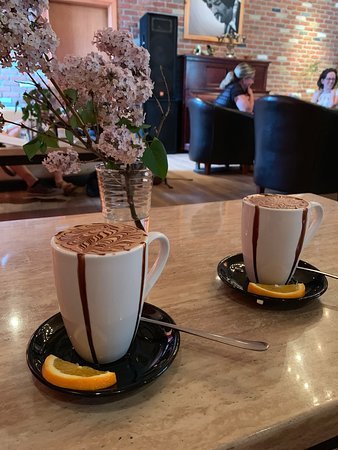
'We don’t serve meals,' explains Nathalie Gagnon, the general manager. 'We also serve coffee, tea, microbrewery beers, wine, and pastries from a local shop. You can bring your own lunch and heat it up. Occasionally, we host art openings, conferences, or performances.'
Roasting at the heart of the business
Le Moussonneur isn’t just the place described above. It’s also, and above all, a company that imports and selects coffees from around the world. It runs one of the best-equipped roasting workshops in Rimouski’s industrial park, thanks to more than 32 years of expertise from Richard O’Neil, Nathalie Gagnon’s partner.
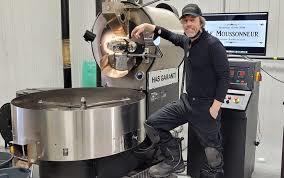
The name of this Rimouski company comes from the term ‘moussonné’, which is in fact a range of coffees that Le Moussonneur has made its specialty. In fact, unwashed green coffee that has been exposed to humid air so that it absorbs water, swells, and changes colour until it turns light golden brown is called moussonné.
The star of this range is the Moussonné des Îles-de-la-Madeleine, a green coffee soaked in the Islands’ seawater, then dried in the sun and salty winds before being roasted as orders come in. Why such a wild idea? “Because the sodium from the sea, crystallized inside the bean, blends with the coffee’s oils during roasting. This creates a reaction that greatly reduces the acidity of the other coffees it is mixed with, and brings out their specific aromas, which we would not discover without it,” explains Richard O’Neil. The process was discovered in the 17th century. These coffees are recognized for their finesse, superior flavour and velvety texture. To develop these exceptional coffees, Richard O’Neil didn’t just draw inspiration from nature. He built it into his process.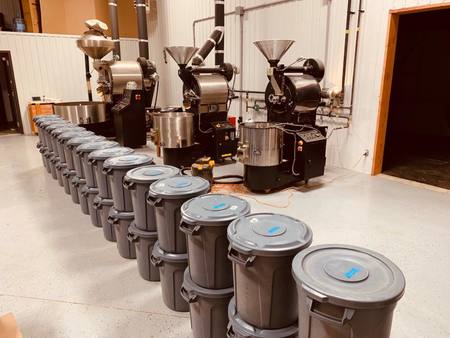
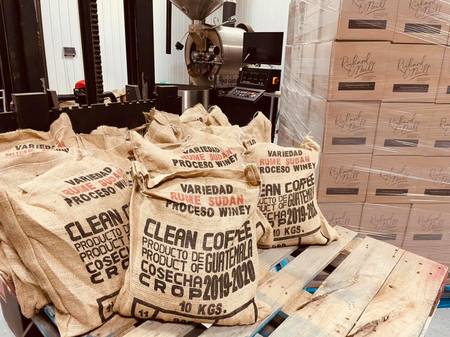
With his unique approach to selecting and roasting single-origin coffees, artisan roaster Richard O’Neill knows how to achieve exceptional and remarkable flavours. He also visits the plantations himself to better understand the daily life of the producers, their specific methods and the distinct environment surrounding each crop.
He also develops several blends, known as the Incontournables, with prized, perfect and unmatched flavours that appeal to discerning connoisseurs. The workshop also produces coffees for grocery chains and restaurants.
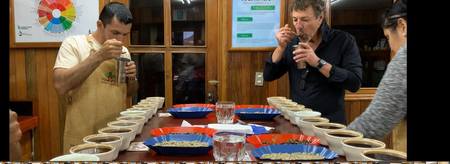
Also, Privé coffees are those that score above 87 on the 100-point scale defined by the SCA (Speciality Coffee Association). This score is based on several criteria: aroma, body, acidity, balance, aftertaste and cup clarity. Everything is taken into account, from room lighting to water pH and bean moisture levels, to ensure uniform tasting results.
Only by discovering these details and the roaster’s working methods can one say that the roaster is to coffee what the sommelier is to wine.
The future looks promising
This profile would not be complete without mentioning Cold Drip Brew, a new product that occupies a particular niche. It is cold-brewed using an artisanal Japanese drip-by-drip method, in the Kyoto style. The process yields a coffee of exceptional richness, allowing the flavours and aromas specific to each single-origin coffee’s terroir to develop. It is available in ready-to-drink cans, or can be mixed with alcohol or a fruity drink, over ice for example.
In recent years, coffee-based cold drinks have become increasingly popular in the United States and Canada during the summer months. Cold brew has grown exponentially over the past decade. Alongside it, “cold drip” coffee has also taken off, and the two share essential similarities and differences. Le Moussonneur uses this method to produce its five varieties, including Costa Rica Terrazu and Jamaica Blue Mountain.
In addition, in autumn 2024, Nathalie Gagnon will open a coffee accessories shop at the entrance to her business, including coffee makers, cups and other relevant and exclusive items. She will also run training sessions for coffee enthusiasts on machine use, brewing techniques and other topics related to coffee and its particularities.
Le Moussonneur will also develop a commercial division to supply restaurants, hotels and various establishments that serve coffee to their customers. An expert in the field has partnered with the company to coordinate this service. Whole bean coffee in bulk bags will also be available there.
Le Moussonneur employs a team of four people at the workshop, plus a few baristas at the downtown café.
Le Café du Moussonneur
lemoussonneur.ca
173, rue St-Germain Ouest
Rimouski (Qc) G5L 4B8
418 721-7776
.