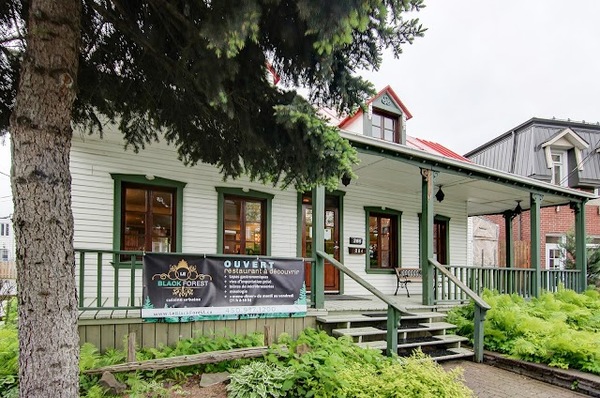
In Laval’s Sainte-Rose neighbourhood, just steps from the rivière des Mille-Îles, an old ancestral house dating from 1834 has been home to a restaurant for more than 40 years. Local regulars knew it as La Vieille Histoire until Jean-François Pépin and Mélanie Joannette decided to buy it.
Since 2017, the couple have been living a long-held dream through their restaurant, Black Forest – Cuisine urbaine. The concept grew from an idea of sharing and discovering the senses. Textures, flavours and innovation come together to create an urban culinary journey.
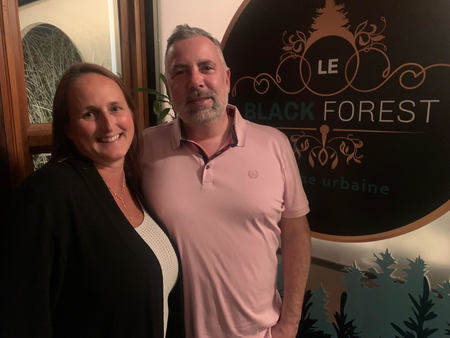
To understand what led to the acquisition, it helps to know that restaurants have been part of the Pépin family’s DNA for at least three generations. Jean-François’s grandfather and father both ran restaurants before him. In the 2010s, he also worked in the industry, including four years operating a catering service for an aviation-services company in Mirabel. The couple then began looking for a restaurant, and an opportunity arose on boulevard Sainte-Rose in Laval.
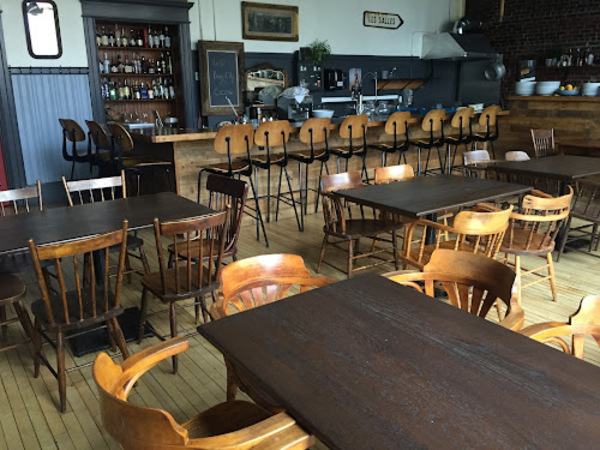
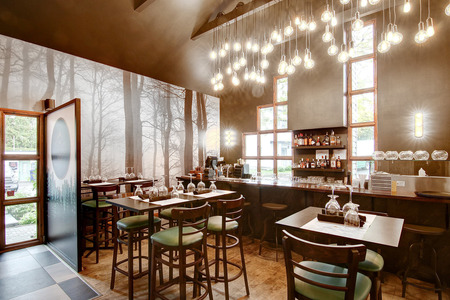
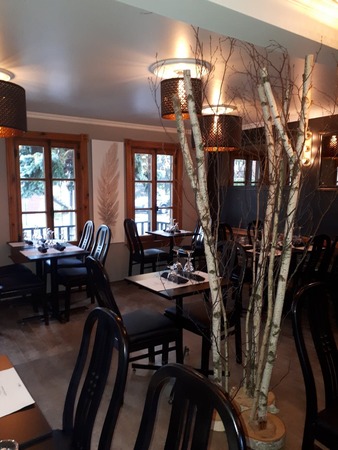
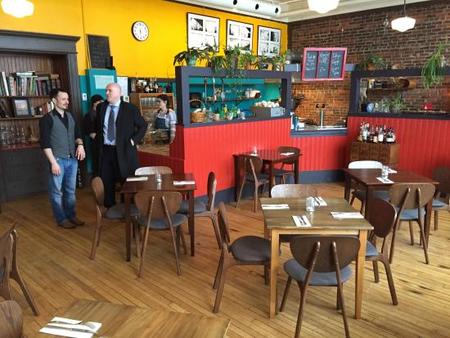
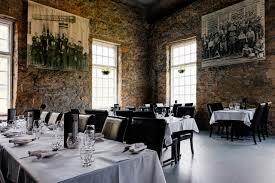
From the outset, Jean-François and Mélanie chose to transform the restaurant’s style and menu, making a complete break with its previous tradition. They nevertheless preserved the warm atmosphere of a cosy cottage from days gone by, something guests feel as soon as they enter. Modern decorative elements subtly refresh the interior. Warm colours, woodwork and a layout designed for comfort and conversation immerse diners in its charm.
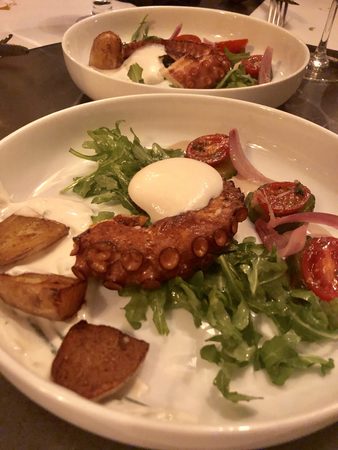
It is the menu, changing monthly and with the seasons, that lets the chefs’ creativity whet the appetite. Having created around 800 gourmet tapas since 2017, the Black Forest team invites diners into its epicurean world. Jean-François Pépin, who leads the kitchen with his deputies, favours local ingredients and products from Québec’s terroir. They are prepared through a globally inspired culinary vision shaped by many influences.
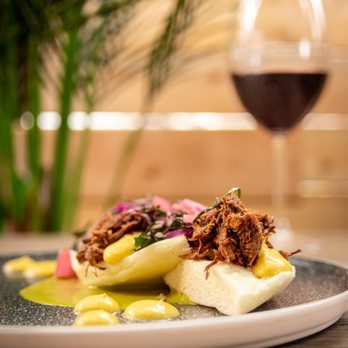
Food-and-wine pairing is another speciality of this 19-employee restaurant. The owner is an accomplished sommelier for whom wine is a genuine passion. The wine list combines private imports with quality selections from the SAQ, chosen to complement the tasting menu.
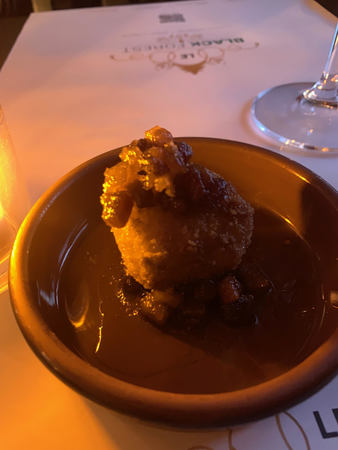
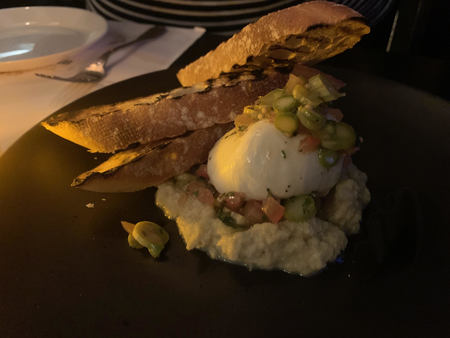
The à la carte menu consists of dishes designed for sharing, but the tasting menu is an even better way to experience the restaurant. It begins with a bite of the day followed by 10 dishes from the monthly menu. The selection always includes two raw preparations, such as ceviche and vegetable tartare; two house-made pasta dishes; two protein-centred dishes; two fish or seafood dishes; and two vegetarian dishes. An original dessert can be added to complete the meal.
Each dish is portioned for four diners but can be adjusted for three or six. In addition to wine, the restaurant offers a wide range of craft beers and delicious cocktails to accompany the meal.
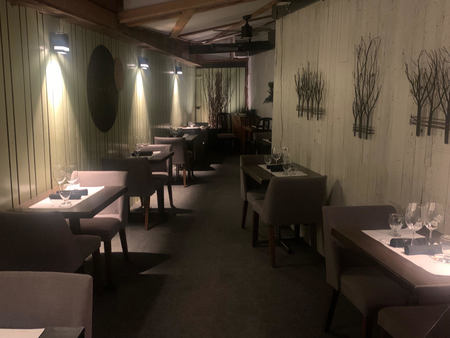
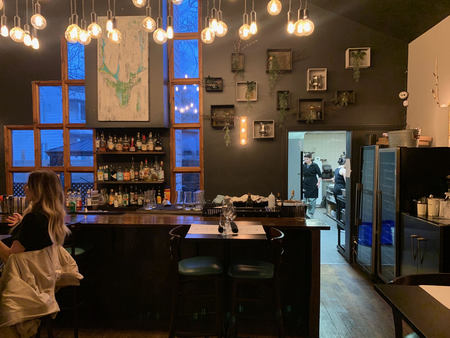
Black Forest also offers takeout, a service that proved especially popular during the COVID-19 pandemic. Groups can be accommodated in a dedicated room. Diners may choose the more discreet dining room or the bar area beside the kitchen. In summer, the terrace on the front veranda is particularly popular.
As if that were not enough, in 2022 the restaurateur couple extended their culinary venture by opening a second Black Forest in Terrebonne. It has its own distinctive identity, atmosphere, décor and menu, attracting customers from both the local area and the wider region.
Le Black Forest – Cuisine urbaine
leblackforest.ca
284, boul. Sainte-Rose
Laval (Québec) H7L 1M3
(450) 937-1200
Pierre Perreault
Yvan Ouellet has always been an avid traveller. Originally from Rimouski, with a background in advertising, and based in Québec since 1994, it was precisely after returning from a trip to discover the world, broadening his mind and his knowledge, particularly of a wealth of gastronomic flavours, that he decided to go into the restaurant business.
It all began in 1996 under the name 47e Parallèle, on rue Sainte-Anne, in the heart of the historic charm of Vieux-Québec. Its name referred to its geographic location, well suited to a seasoned traveller like him. It was there that the first foundations of the establishment's identity were laid, driven by a vision of excellence and hospitality, with the collaboration of French chef Joseph Sarrazin, who arrived shortly after and remains part of the restaurant team today. They then developed a catering service that quickly became popular.
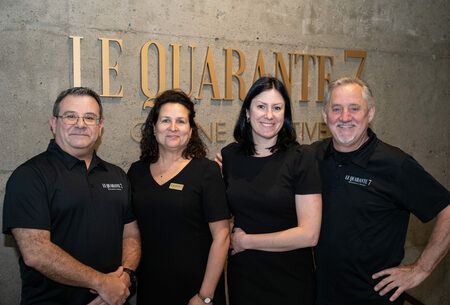
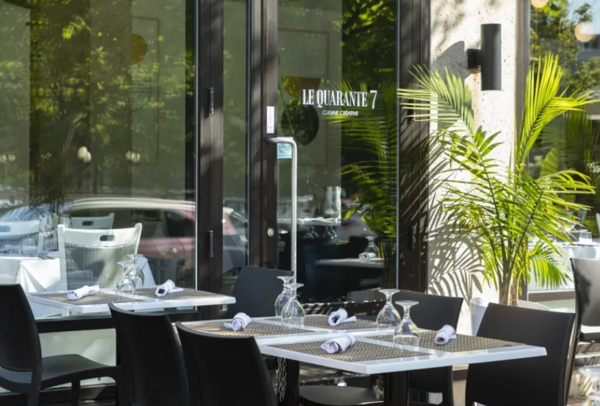
On the strength of its success and rapid growth, the fusion restaurant concept, offering 30 dishes from 30 countries, moved in 2003 to its current location, next to the Grand Théâtre, and became Le Quarante 7. This move allowed them to fully develop the concept and create a space worthy of its gastronomic ambitions, explains Yvan Ouellet, who runs a group of four partners.
Now celebrating 30 years, Le Quarante 7 remains a favourite gathering spot for food lovers seeking refined flavours. From its lively dining room to its custom catering, the mission stays the same: to honour the richness of its ingredients through carefully crafted dishes. Step through the doors and you'll discover the legacy of a passionate team that constantly reinvents itself to deliver a memorable experience. There are 35 to 40 people behind the scenes at 47, about ten of them in the kitchen.
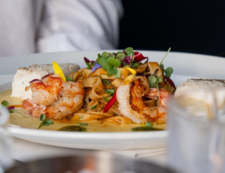
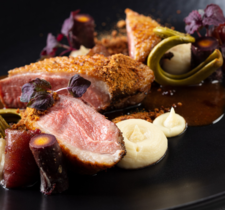
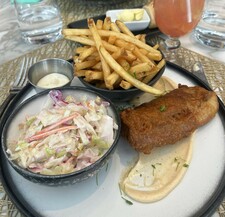
Ouellet attributes this longevity to several factors, including constant curiosity and close relationships with local producers. Over the decades, the menu has evolved to combine timeless classics with contemporary trends, ensuring an element of surprise on every visit. The wine list is rather impressive, as the immense glass-walled cellar commanding the dining room makes clear. Whether for a corporate event, wedding, intimate dinner or meal before a performance at the neighbouring Grand Théâtre, every plate reflects the team’s rigour and passion.
The restaurant serves lunch on weekdays and dinner from Wednesday to Saturday.
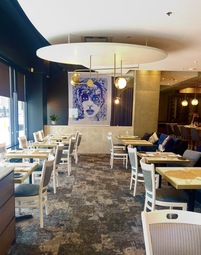
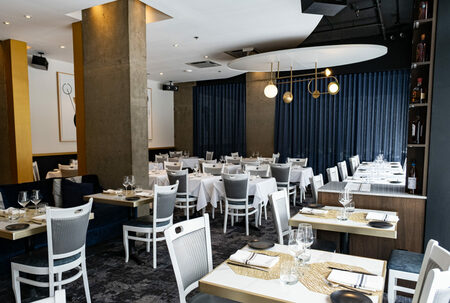
Catering now accounts for 70% of Le Quarante 7’s activity, with capacity for events of 200 to 500 people. The team travels with its own equipment and food and provides service on site. Options also include boxed lunches, cocktail receptions, buffets and banquets tailored to clients’ needs.
The traveller in Yvan Ouellet remains active as well: he continues to organize overseas group trips exploring renowned wine regions and culinary routes.

Throughout the year, the 30th-anniversary celebrations will include special events, among them a major contest offering $30,000 in prizes, including several cash awards and a trip for two to Bordeaux, France. The celebrations will culminate with the presentation of the winners at the 30th Anniversary Party at the Musée de la civilisation on October 1, 2026.

Restaurant Le Quarante 7
lequarante7.com
333, Rue Jacques-Parizeau
Québec, QC, G1R 5G2
(418) 692-4747
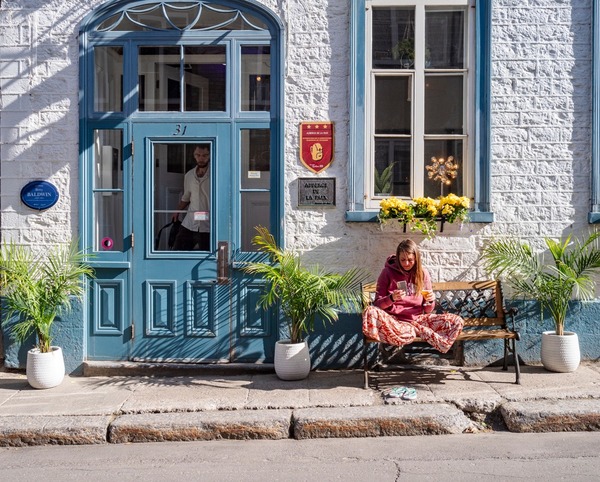
Some places just stick around. They become the kind of spot where people gather for good times, where every corner has a story. L’Auberge de la Paix on Rue Couillard in Vieux-Québec is one of those places.
It opened in 1972 as a youth hostel, born from the free-spirited energy of the 1970s. Back then, it was a non-profit, created to give travelers a cheap place to stay while keeping the doors wide open to the world. The idea was simple: a community space where young people and wanderers could crash, share stories, and figure things out together.
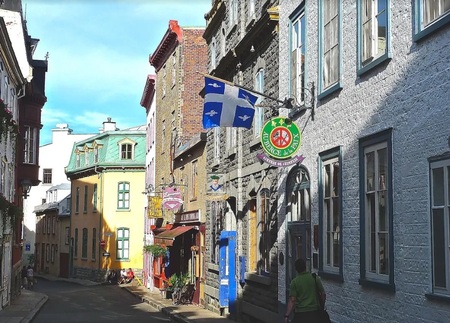
The hostel sits in a building from around 1850, right inside Vieux-Québec’s old fortifications, a neighborhood that’s now a UNESCO World Heritage site. The architect was Charles Baillairgé, the city’s go-to guy for design and engineering back in the day. The building even had a carriage passageway so horses and wagons could pull straight into the back courtyard.
Then came COVID-19. The hostel shut down completely in 2020, and the non-profit couldn’t keep going. The team didn’t have the money or the manpower to keep the doors open, so they had to call it quits in March 2023.
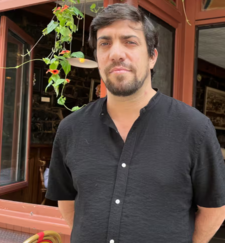
That’s when the owners of the café next door, Chez Temporel, stepped in. Mélissa Spénard-Lefebvre and Louis-Charles Tremblay (photo) decided to take over. They swapped their café hats for innkeeper ones, keeping the hostel’s spirit alive but running it as a business now. Their background in real estate and their love for Vieux-Québec’s history made the leap feel right.

The hostel reopened in May 2023, just in time for tourist season, and just over 50 years after it first started. Since then, they’ve poured more than $300,000 into renovations, safety upgrades, and sprucing the place up.
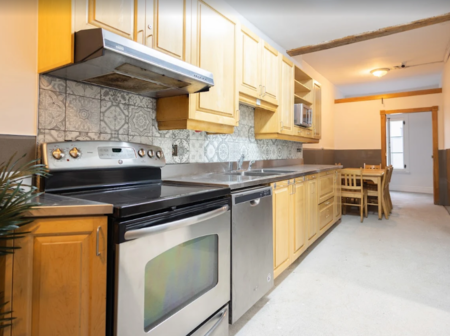
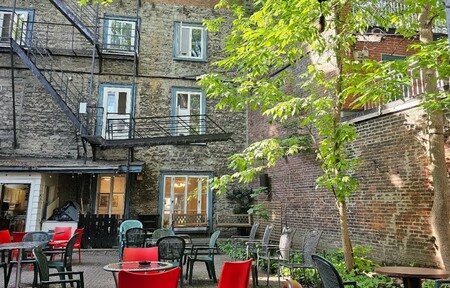
Today, it sleeps about sixty people in a mix of dorms and private rooms. The vibe is still the same, friendly, easygoing, the way hostels should be. And don’t assume it’s just for backpackers. Families stop by for short stays, and a lot of the guests are retirees who like things simple and enjoy a good conversation.
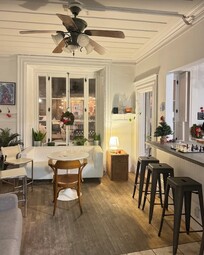
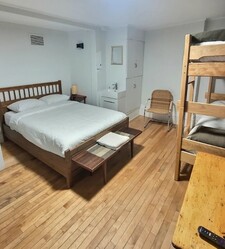
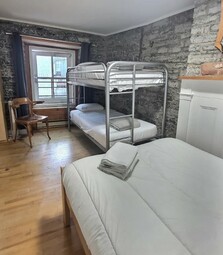
The hostel has everything you’d expect: a shared kitchen, a big common room, a nice courtyard, free Wi-Fi, and underground parking just two minutes away.
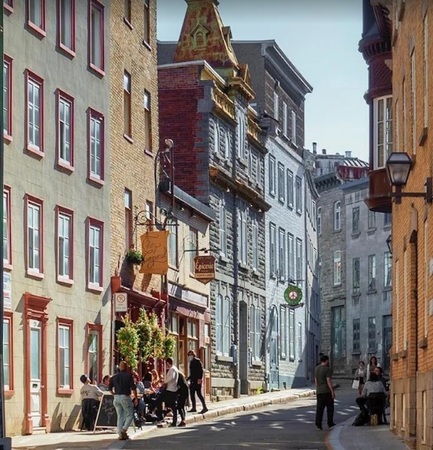
It’s also in a great spot. There are cafés and restaurants all around, including Chez Temporel just two doors down, plus a grocery store right next door. The new owners have added modern touches like digital locks with unique codes, so everyone feels safe.
Auberge de la Paix
aubergedelapaix.com
31 Rue Couillard
Québec, QC, G1R 3T4
418-694-0735
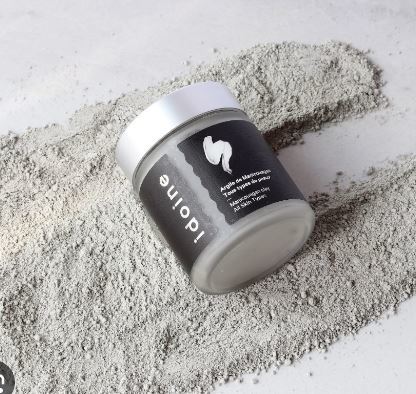
At the entrance to the Manicouagan Peninsula, near the beginning of chemin Principal in Pointe-aux-Outardes, visit the Argile Eau Mer cosmetics shop. It showcases sensitive marine clay extracted beneath a peat bog beside the Saint-Laurent, a product found nowhere else in the world that helps maintain healthy skin.
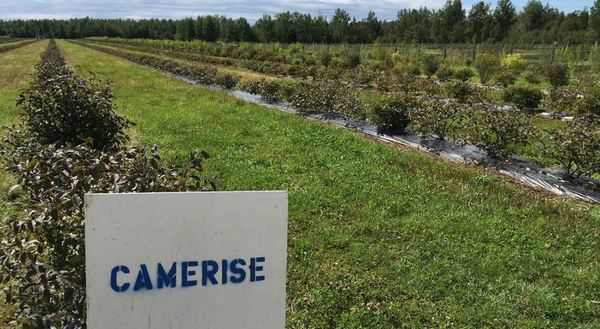
In Pointe-Lebel, make a stop at the improbable Ferme Manicouagan. Unexpected in the middle of the boreal forest, this farm is an emerging leader in camerise (haskap berry) production. Because the crop is well suited to the uncertainties of northern climates, Côte-Nord farmland is ideal for growing it; the cooler temperatures produce sweeter fruit. You must try the camerise mousse, a genuine delight. The farm also specializes in strawberries, raspberries and corn. Its farm stand offers abundant freshly picked vegetables, a wide range of prepared products and pick-your-own produce.
In Hauterive, Boucherie les trois p’tits cochons offers high-quality products, and its tartare bar is a must in the region. For a quick meal, customers can choose from a whole range of ready-to-eat items: salads, sushi made fresh daily, house-smoked products and jerky. Several varieties of fresh sausage and many other products prepared on site will also satisfy the appetite. The butcher’s products are available at Marché des Dunes near Parc Nature de Pointe-aux-Outardes.
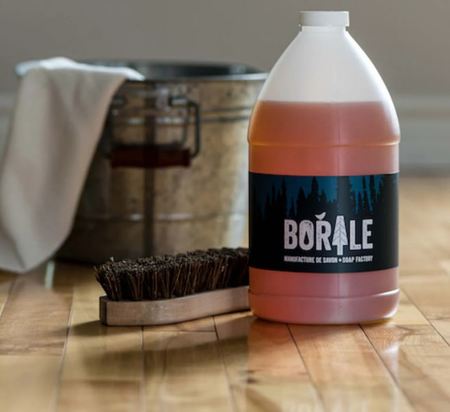
On reaching central Baie-Comeau, visit the Manufacture de savon Borale shop and discover refined soaps and beauty products carefully made by its master soapmaker. Evoking the character of the boreal forest, the soaps are produced through a traditional full-boil process in a vat followed by washing of the soap paste, yielding a superior-quality product.
Located in downtown Moncton, the Aberdeen Cultural Centre is a historic building that houses several cultural organizations and artists' studios, serving as an important gathering place for the artistic community in southeastern New Brunswick.
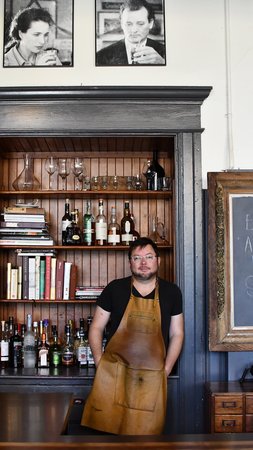
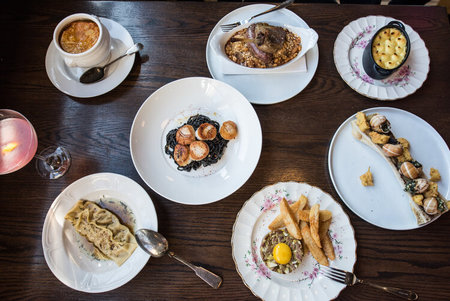
It is also the location of the restaurant Les Brumes du Coude, which opened in 2014 with chef Michel Savoie at the helm. The bistro quickly made its mark among the top 100 restaurants in Canada. It offers simple and tasty cuisine—a true French bistro cuisine, a result of his seven years of cooking in France.
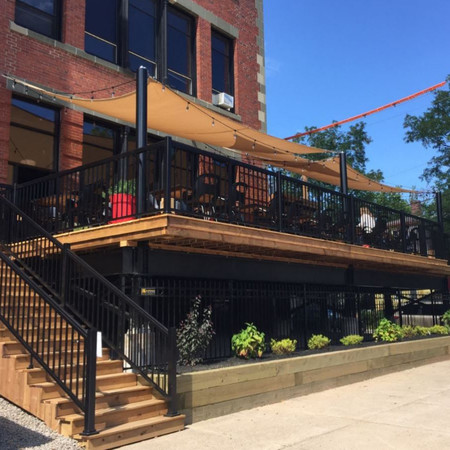
The restaurant is housed in a former classroom of the Aberdeen School, which became the Aberdeen Cultural Centre in 1986. In 2017, the centre added a 50-seat cultural terrace, managed by Les Brumes du Coude during the summer season.
So, where does the name of his restaurant come from? The city of Moncton is known for its Petitcodiac River, whose name means "which bends like a bow" in Mi'kmaq. The Acadians who settled there in 1733 called this place Le Coude because of the bend in this powerful brown river, where the mists from the marshes hide. To this day, Moncton is still nicknamed Le Coude.
However, the name Les Brumes du Coude has a very different meaning for the owner-chef Michel Savoie. He explains this term as being a description of what inspires him in cooking: the misty smells of simmered dishes, the vapors that are the result of physical effort, or elbow grease.
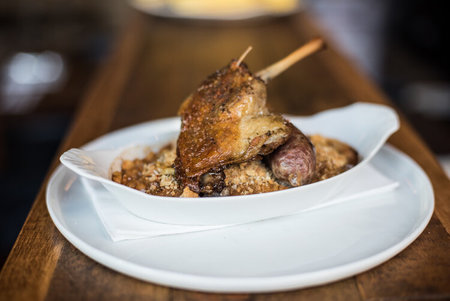
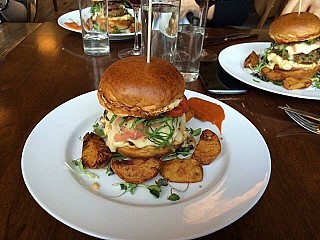
His cuisine is generous, fair, and on point, in the spirit of a French bistro. Inspired by seasonal local and sea products, it features a blend of French, Acadian, and other culinary traditions. "There is always something new to discover at Les Brumes du Coude because, just like the menu, the wine and cocktail list is constantly evolving. The team at Les Brumes du Coude will be pleased to welcome you to this lively, warm, and friendly space," he explains.
Originally from Tabusintac, a small village north of Néguac, Michel Savoie was not destined for the restaurant business. Before the end of his high school studies, he had not really shown an interest in cooking. Financial reasons did not allow him to attend university. At 18, with no particular qualifications, he found himself working in a kitchen, starting as a dishwasher. Gradually, he discovered a certain talent in the pots and pans.
He has been in the restaurant industry for about twenty years, mainly in Montreal and Tours, France, often holding positions at the lower end of the hierarchy. His move to France was because he followed his then-wife, who was French. Did he receive formal culinary training? He spent a few months at the ITHQ in his early twenties but was unable to complete the training due to financial constraints.
His desire to combat pervasive junk food, even in Moncton, motivated him to move forward with opening his own restaurant.
Could he be contributing to the reinvention of Acadian cuisine with his attempts to revalue local products? He would rather cook as much as possible with local and sea products from here. One might call it Acadian cuisine if the terroir in question corresponded to an Acadian territory. However, he prefers not to get involved in the thorny debate over the borders of Acadia.
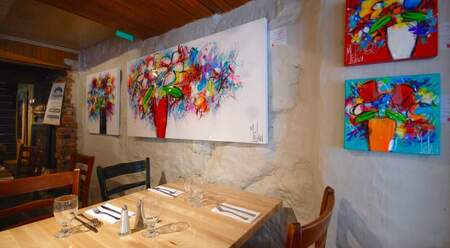
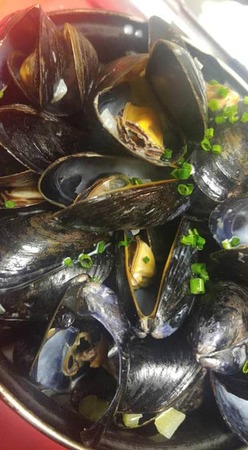
In the meantime, we have the leisure and privilege of enjoying the place, its charming decor, its enticing menu, and the beautiful culinary discoveries that Michel Savoie shares with his clientele. And if you are a fan of mussels, know that the best of the kind have been savored here, in proportions to satisfy the greatest appetites.
Les Brumes du Coude
lesbrumesducoude.com
140 Botsford Street
Moncton, NB E1C 4X5
506 858-0777
By Pierre Perreault
-----------------------
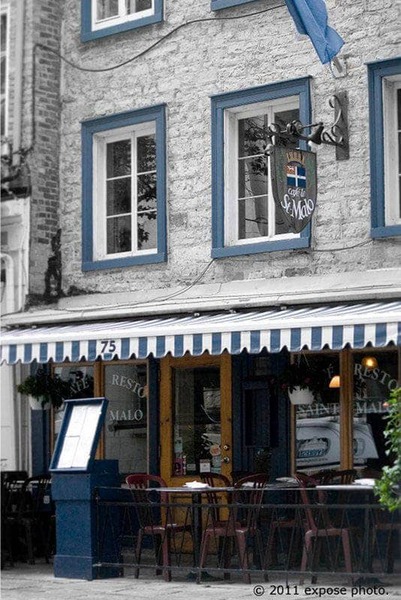
Standing proudly in this history-rich setting since 1984, when the first Transat Québec–St-Malo was held, the restaurant quickly built its reputation and earned its credentials among tourists and local residents alike. The Québec government had invested substantially in the district to welcome the influx expected for that international sailing event. The famous, picturesque rue Sous-le-Cap immediately behind the bistro was also refreshed at the time.
Founded as Café St-Malo, today’s Bistro St-Malo on rue Saint-Paul recreates the atmosphere of a true French bistro: a place where guests are welcomed as family, as friends and, in short, as one of the most valued people in the eyes of its team.
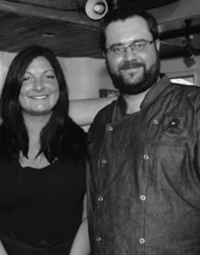
Ten years ago, the founders passed the torch to the couple Philippe Racine and Émy Carrier (pictured) who rose to the challenge and made this essential dining institution in Québec their own.
Philippe Racine happily and enthusiastically leads his brigade. Though self-taught, he was quickly recognized by his peers. He got his start working at his aunt's snack bar, where the Québec cruise terminal now stands. Trained by traditional French chefs as well as by young Quebecers, he worked his way up tirelessly before becoming the owner of the Bistro St-Malo.
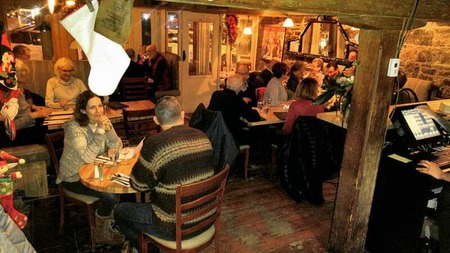
With passion, creativity and rigour, Racine creates a daily menu worthy of the finest bistros in France. By combining Québec terroir products with ingredients from other countries, he brings flavours and textures together in exemplary harmony. Philippe and Émy work in the kitchen every day on a refreshed yet consistently flavourful menu rooted in the French bistro tradition and extending toward the Mediterranean.
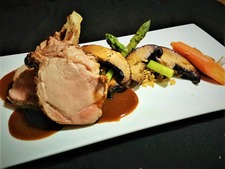
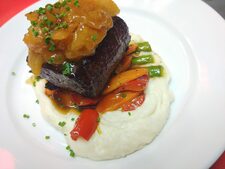
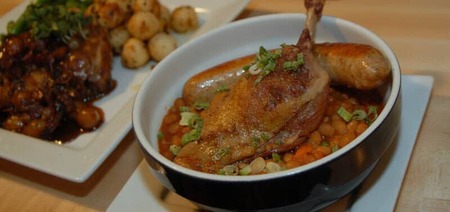
This ‘bistronomy’ naturally depends on superb terroir products, selected with care and delivered fresh each day.
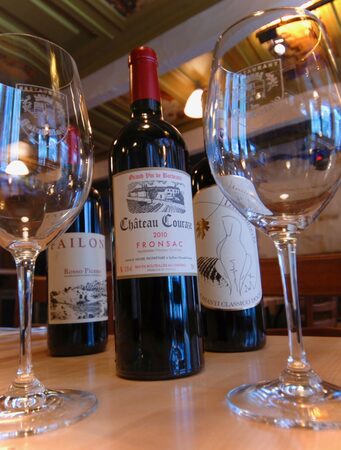
A good meal begins with a warm welcome and outstanding service, so the dining-room team does everything possible to give guests the best possible time. Whether guests come for Moulescredis (unlimited mussels from 5 p.m.), for Jeudi-Cieux and its four courses paired with wine or beer, or for the terrace in fine weather, whatever the occasion and at any time of year, the team gladly shares its knowledge of the menu’s flavours and helps choose wines and spirits, always with a smile.
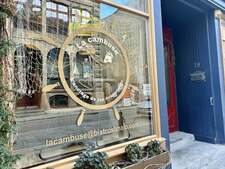
New since 2025, La Cambuse is a private event room in premises beside the bistro, offering a convivial experience designed for groups that enjoy celebrating over a good game or a cocktail reception. Whether sharing refined bites, following the excitement of a sporting event or simply enjoying a warm private setting, guests can expect attentive service and an unforgettable atmosphere.
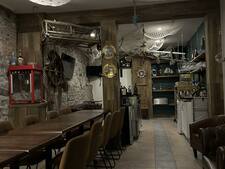
Whether you're solo, a couple, with family, or with friends, Bistro St-Malo serves up delicious meals in a warm atmosphere where simplicity and passion go hand in hand.
Bistro St-Malo
bistrostmalo.com
75, rue Saint-Paul
Vieux-Port, Québec (Qc)
(418) 692-2004
By Pierre Perreault
--------------------------
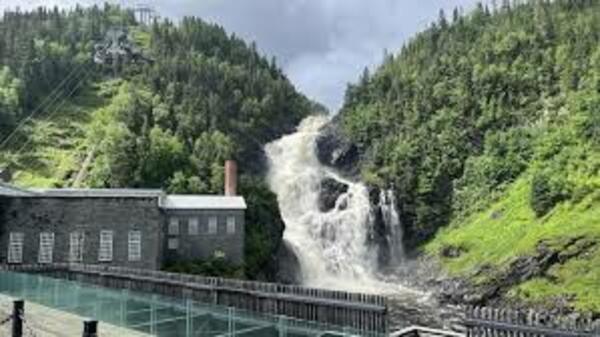
At Village historique de Val-Jalbert in Chambord, Lac Saint-Jean, the new season highlights the site’s railway heritage with two wooden railcars resembling those once used to carry pulp to major centres.
This is an opportunity to bring new life to the rich railway history of this emblematic place, shaped in the first half of the 20th century by a major industrial undertaking: the Val-Jalbert pulp mill and the company village created around it. Inside the cars, a pulp-themed maze and activities for children aged six to 12 offer a playful introduction to the transport and processing of wood pulp. For grandparents, the experience provides a wonderful opportunity to share part of industrial history with a younger generation.
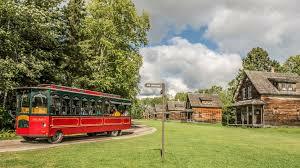

The renowned regular activities at Village historique de Val-Jalbert will also return from May 16 to October 12. At Val-Jalbert, the 1920s never ended. Feel the soul of the Village through more than 40 preserved historic buildings, including workers’ homes, the general store, post office and convent school.
The immersive production « Du cœur à l’ouvrage » is presented within the industrial fabric of the pulp mill itself, transporting audiences to the workers’ workplace of the period and revealing the true stories of all the people who lived in this company town.
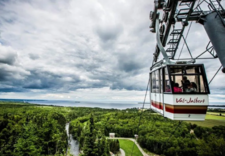
Enhance your experience with a cable-car ascent to the lookouts, with exceptional views of the powerful chute Ouiatchouan.
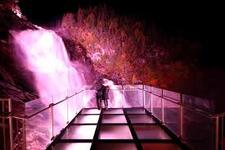
Several special events run throughout the summer and even into autumn. A range of accommodation options lets visitors extend their stay. The Moulin restaurant serves lunch and dinner, with a gourmet dinner featuring the region's rich terroir, while the Magasin général sells snacks and souvenirs to take home.
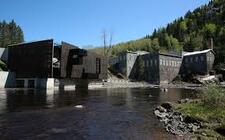
Designated a classified heritage site in 1996, Val-Jalbert now contains more than 90 buildings and remains, including 42 surviving structures, as well as an associated archaeological site covering the entire property. It is therefore a major place for transmitting Québec’s collective memory.
In 2009, Corporation du Parc régional obtained approval from the ministère de la Culture, des Communications et de la Condition féminine (MCCF), Développement économique Canada and the Municipalité régionale de comté du Domaine-du-Roy, the site’s current owner, to finance a $19.7 million project fully revitalizing Village historique de Val-Jalbert. The work covered infrastructure, historical interpretation and the visitor experience.
Annual passports have been available since April and include several benefits, among them a partnership with Zoo sauvage de Saint-Félicien that gives access to two distinct and incredible regional experiences, restaurant discounts and other advantages. Individual and family passports provide unlimited access to the site and many seasonal activities, whether for a full day or simply an evening walk. They are valid from the date of purchase through April 30, 2027, with different prices in low and high season.
Further details are available at valjalbert.com.

Village historique Val-Jalbert
valjalbert.com
95, rue Saint-Georges
Chambord (Québec) G0W 1G0
418 275-3132
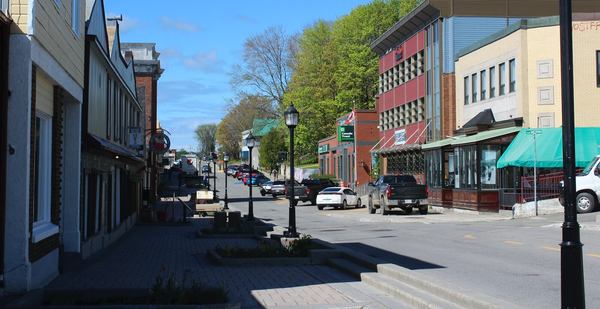
Over the past decade, downtown Gaspé’s popular, lively rue de la Reine has been transformed a few times, as new businesses have opened and others have changed hands. One of the notable features of the area’s changing economic landscape in 2024 is the increasingly prominent presence of women entrepreneurs and business leaders.
Here are a few examples.
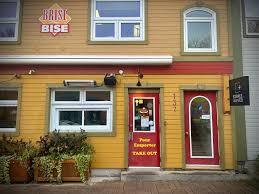
Le Brise-Bise: It was a woman, Claudine Roy, who founded the popular resto-bar more than 30 years ago. Originally from Cloridorme, she was deeply involved in business in Gaspé and the surrounding region. She handed the reins to Simon Poirier in 2015. She was made a Knight of the Ordre national du Québec in 2010 and appointed a Member of the Order of Canada in 2018. In 2026, ownership returned to women with Sara Di Zazzo, who already heads La Sarcelle à la Marina. Together with her partners, she intends to carry on the mission of this institution as it marks its 40th anniversary.
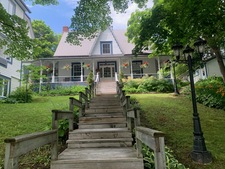
L’Auberge sous les arbres: Claudine Roy also owned this property from 2015 to 2023, when she transferred it to another woman, Gaspé native Stéphanie Lachance, whom she had hired as manager two years earlier. Together with her partner, Diego Valdes, Lachance, who trained in payroll administration and hotel management, has committed to passionately carrying forward the building’s mission of comfort, hospitality and showcasing heritage.
Oh! les pains: The bakery opened in downtown Gaspé in 2020, in the midst of the pandemic. Its owner, Gaspésie native Elsa Houde, embarked on the venture after about 20 years in communications. The bakery grew from a dual desire to offer quality products and create a warm, authentic gathering place. It quickly became the go-to spot for lovers of good bread, fine viennoiseries and puff-pastry pizzas. A different soup is featured each lunchtime, along with a freshly prepared lunch menu.
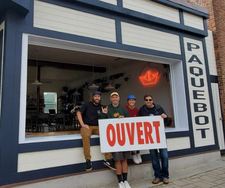
Paquebot Café Gaspé: One of the area’s newer arrivals, this original and surprising café took shape in 2021 when Isabelle Huard, after two years managing Paquebot Mont-Royal, wanted to open a café in her hometown of Gaspé. Following several months of work more than 900 kilometres from the first Paquebot, Paquebot Gaspé opened on September 1, 2021, with Isabelle as co-owner. Paquebot operates three other cafés in Montréal.
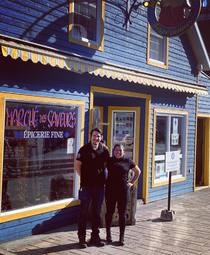
Marché des saveurs gaspésiennes: One of the oldest businesses of its kind in Gaspé, it was founded nearly 25 years ago as a gourmet food shop. In 2022, the founder decided to sell and entrusted the business to Claudia Romero, an employee of a few years. Romero and her partner, Ricardo Granja, are both originally from South America and came to Québec 15 years ago. Together they are carrying on a business with a loyal clientele. That same year, Claudia secured the contract to operate Parcs Canada’s seasonal restaurant and grocery store, Les Délices de Forillon.
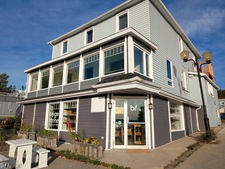
Beige Farine: Sandrine Bourbonnais first came to Gaspésie in 2019 as communications manager for a cultural organization in Gaspé. It was love at first sight. After completing her law degree in Sherbrooke in 2021, she decided to build her life in Gaspé. Beige Farine, a bulk store selling food, household and personal-care products, grew from her desire to help people make a positive environmental difference every day. She acquired one of the city’s oldest buildings, at 3, rue Adams on the corner of rue de la Reine, and transformed it into the shop that opened in June 2022.
The Pointe-au-Père Maritime Historic Site in Rimouski is unusual in that it takes visitors from ground level to the heights and then down into the ocean depths. Parcs Canada manages and operates the site, which offers visitors curiosities and thrills.
Martin Debolfe, the historic site’s marketing coordinator, explains that everything is in place to surprise and educate visitors through three distinct attractions:
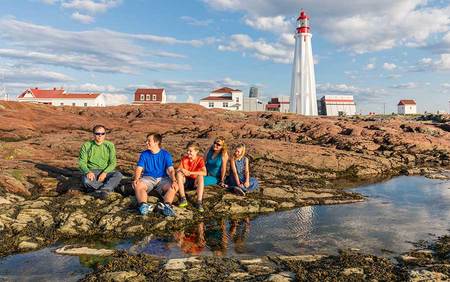
• The Onondaga submarine, the first submarine in Canada opened to the public, offers a glimpse into the daily lives of the 70 crew members once confined aboard this 90-metre vessel. In summer, visitors can spend an evening and a night on board as part of an interactive experience.
• The lighthouse and its associated buildings. Built in 1909, it is the second-tallest lighthouse in Québec and one of the few that still has its prism. The keeper’s house contains an exhibition on the lighthouses of the Saint-Laurent.
• The Empress of Ireland Museum. Although the sinking of the Titanic is well known, fewer people know the story of this ocean liner, which sank off Rimouski in 14 minutes in 1914. The exhibition is impressive and moving, and its video presentation is surprising.
The museum opened in 2000, was expanded in 2017 and now features a completely redesigned exhibition. Digital technology allows for captivating interaction with visitors. A video simulation lets them relive the collision between the two ships and then watch the liner sink, which leaves no one indifferent, especially knowing that 1,102 people lost their lives in the disaster.
Pointe-au-Père Maritime Historic Site (SHMP)
shmp.qc.ca
1000, rue du Phare
Rimouski, QC G5M 1L8
418.724.6214
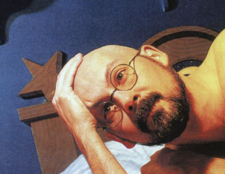
Born in Drummondville in 1954, Claude Bibeau pursued a career as a painter for more than 20 years. In 1973, he gained recognition by founding the Mouvement Bonbon with fellow painter Colin Chabot.
Whether labelled hyperrealist, naïve or surrealist, Bibeau’s paintings above all reveal a singular artistic personality and a sharp, original view of society. With his great command of drawing and colour, Bibeau left behind a rich, mature and, sadly, unfinished body of work. Two of his major paintings, “Figure de tragédie” and “Sébastien,” are part of the permanent collection of the Musée national des beaux-arts du Québec.
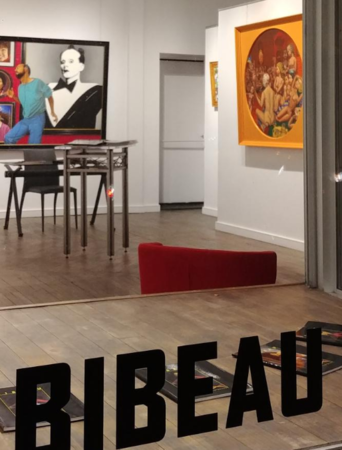

He explored the themes of naïve art, stylizing landscapes, objects and figures. His influences included pop art, of which he was one of the only exponents in Québec, as well as psychedelic imagery, hyperrealism and surrealism. His work was exhibited in France, Mexico and Canada, and most of it is held in private collections in Europe and North America.
Sadly, Claude Bibeau was diagnosed as HIV-positive in the early 1990s, and his health began to decline after 1996. He made a few trips to Europe with Uwe von Harpe, his partner of 17 years. In 1997, however, his partner’s sudden death and his own worsening health forced him to give up painting. On July 30, 1999, after several months battling AIDS, he died surrounded by his closest friends.
You can discover this unique artist by visiting L’Espace Claude Bibeau at www.galeriecb.com, which is managed by Christian Bédard.