Eve Lambert
From Worst to Best
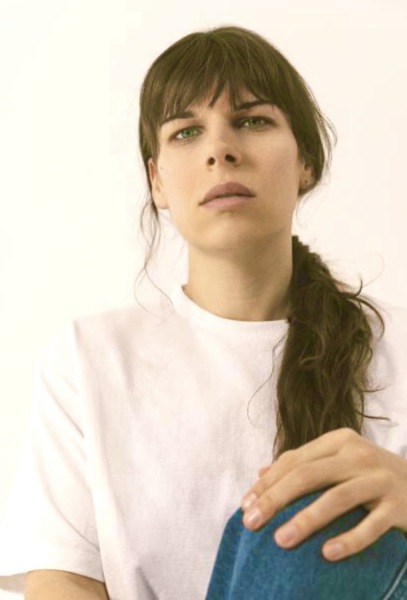
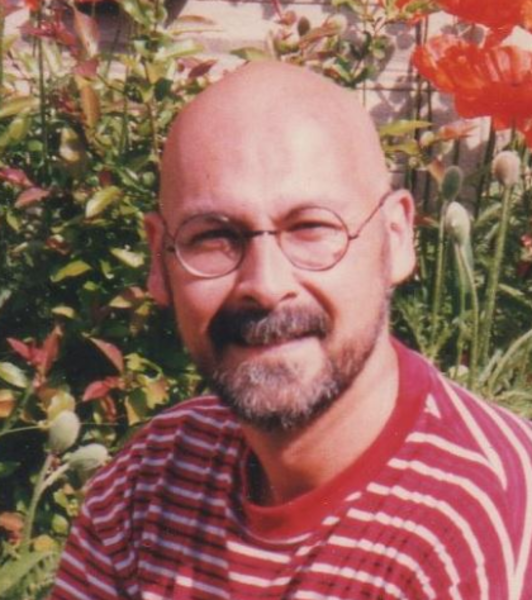
Born in Chicoutimi, Eve Lambert began her literary career in 2017 at age 25 with Tu aimeras ce que tu as tué. The debut novel achieved major success, was published in France and was later translated into English. It already received extensive praise and a few significant literary awards. Set in a sinister, morbid version of Chicoutimi, the novel adopts hatred as a literary tone and fiercely attacks the xenophobia and homophobia that still rage in Québec.
Eve Lambert holds a master’s degree and doctorate in creative writing from the Université de Montréal. Her thesis on the creative process in the work of Victor-Lévy Beaulieu won the Université de Montréal’s award for best thesis in arts and humanities. Known before her gender transition by her birth name, Kevin Lambert, she has said that she wants her work to participate in a movement of gay affirmation. ‘I like being part of the LGBTQ category,’ she says.
Writers are known to sometimes write under the influence of drugs or alcohol. By her own admission, Eve Lambert sometimes writes under the influence of anxiety. ‘I tend to imagine the worst that could happen,’ she confides. ‘In the opening scene of my novel Querelle, I imagined my boyfriend, who wasn’t yet officially my boyfriend at the time, screwing a bunch of other guys. I didn’t censor myself; I went completely wild. When I write, I’m not necessarily in a state of well-being, even if there’s something liberating in letting our imagination run wild. There’s a kind of ecstasy in freeing ourselves from our anxieties.’
Since 2018, she has published three further novels, Querelle de Roberval, Que notre joie demeure and Les sentiers de neige, all of which also appeared in France. The record confirms her as a prolific author and recipient of the most prestigious awards, including the renowned Prix Médicis in 2023.
In 2023, she adapted Marie-Claire Blais’s novel Un cœur habité de mille voix for the stage. The production premiered at Espace Go in April 2024 and drew widespread praise for its bold theatrical portrayal of an aging gay man’s life.
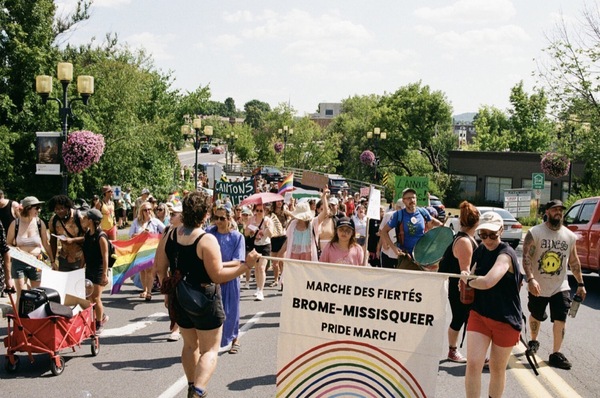
The Brome-Missisqueer collective is back with a second Cowansville Pride March on August 22. LGBT+ people, allies and friends are invited to join a march starting at 1:30 p.m. on rue du Sud, then head to an LGBT+ village set up at parc Centre-ville at 3 p.m.
The event will feature festive, fun and educational activities. ‘This year, it was important for us to apply the lessons from the first edition, which was organized in five weeks, so we can improve our facilities and include more partners in our event,’ says Béa Touchette, one of the collective’s members.
‘Last year’s success truly energized us as a collective. Our first goal is to show that welcoming communities for queer people exist in our rural areas and that people can put down roots there and build networks of solidarity,’ added Alex Fortin, another member of the collective.
The Brome-Missisqueer collective was recently formed by six people to promote the fulfilment of 2ELGBTIA+ people in rural communities and counter the rise of intolerance.
August 23: a Pride day in Sept-Îles
Queer Nord will once again present a day celebrating sexual and gender diversity. The expression of LGBTQ2E+ Pride and community sharing will take centre stage on Sunday, August 23, beneath the Tente jaune on the Vieux-Quai in Sept-Îles.
The day has particular significance for Queer Nord because it is the first Pride celebration since the group incorporated as a non-profit organization. ‘This is a new stage in the committee’s history as it continues to develop and help improve the living conditions and well-being of people representing sexual diversity and gender plurality (DSPG) on Côte-Nord.’
Organizers note that the chosen site in Sept-Îles stands on the unceded Innu territory of Uashat mak Maliotenam. They invite members of Innu communities and residents from across Côte-Nord to celebrate together at parc du Vieux-Quai.
The programme includes creative, participatory activities such as sign-making, a collective artwork, face painting, a music jam and karaoke. The day will conclude with the Pride March at 3 p.m.
Queer Nord will provide tables for artists and organizations wishing to present their work, services or projects. An open microphone will allow participants to share a text, poem, song or any other form of expression that inspires them.
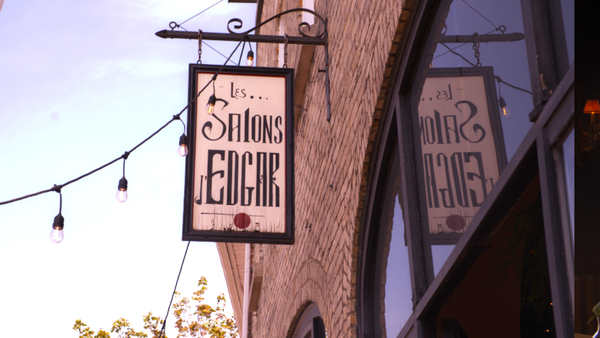
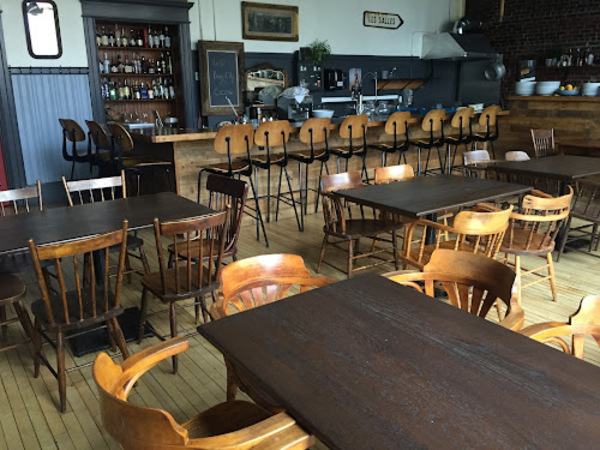
Les Salons d’Edgar started in 1997 in Québec’s Saint-Roch neighbourhood. The space was once a theatre called Les Fourberies, but it didn’t take long for it to become a cultural hub where artists, students, professionals, and locals all mixed together.
If you’ve been coming for years, you might have spotted Robert Lepage here, actor, playwright, director, and entrepreneur, who made the place his regular hangout.
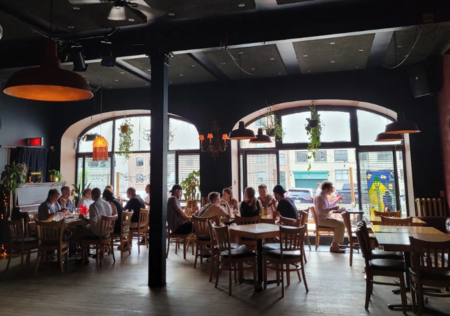
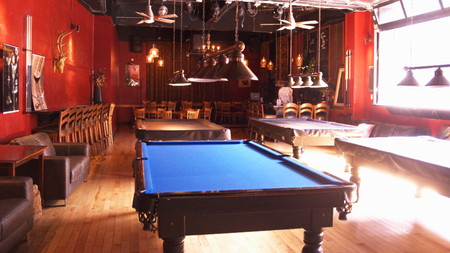
François Boulianne and Annie Brassard ran the show for nearly 25 years. In 2022, after a pandemic transition, new owners took over, with the founders staying on to guide the team. Actor, director, and casting agent Nicolas Létourneau says he and his friend Raphaël Posadas (a director, stage director, and actor) bought the place on a whim, they were already regulars.
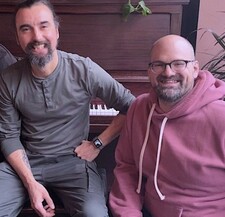 Two of the partners: Raphaël and Nicolas.
Two of the original four partners moved on to other projects. Chef Francis Proulx joined later, and longtime employees Lou Miriam Bolduc and Léa Ratycz-Légaré became partners in 2024. Now, each member of the team handles part of the business based on what they do best.
These days, shared management, a fresh approach, and a focus on making guests feel at home keep Les Salons d’Edgar a Saint-Roch staple. Over 25 people work here, covering the kitchen, service, and bar.
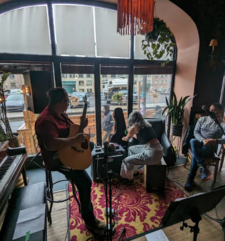
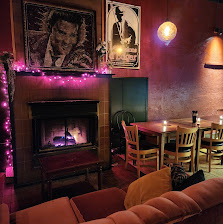
Les Salons d’Edgar is a Québec nightlife landmark, comfort food, craft cocktails, and an eclectic, welcoming space. Every evening from 5 PM (closed Mondays), the two rooms offer pool tables, a small stage, dance nights, and two bars, one up front, one in the back, for different moods. It’s warm, a little over-the-top, and always fun, with a cozy vibe that keeps people coming back. In summer, the sunny terrace out front is the perfect spot. Saturday nights are especially lively, much to the delight of longtime regulars.
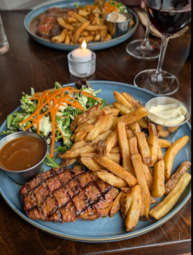
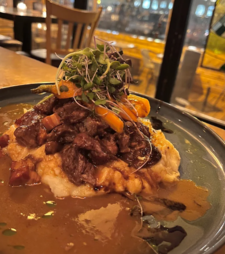
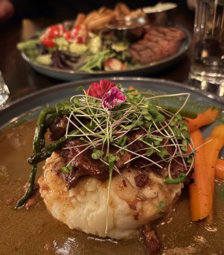
A few years ago, the team got a restaurant license, so now minors can join adults and enjoy the kitchen and its well-loved menu every evening from 5 PM. When asked about the most popular dishes, Nicolas doesn’t hesitate: the marinated beef flank steak, the shareable nachos platter, and the classic poutine. Brunch is served on Saturdays and Sundays from 10:30 AM to 1 PM.
The team at Les Salons d’Edgar has big plans. They’d love to buy the building and add a second floor to the back for private events, group gatherings, or performances.
Nicolas Létourneau, who had no restaurant experience before taking over Les Salons d’Edgar, recently became co-owner of Chez Victor on boul. Laurier with the same partners. It’s a new adventure for him, with a team of about twenty and updates to the space to make the experience even better.

Les Salons d’Edgar
lessalonsdedgar.com
263, rue Saint-Vallier Est
Québec (Québec), G1K 3P3
418 523-7811
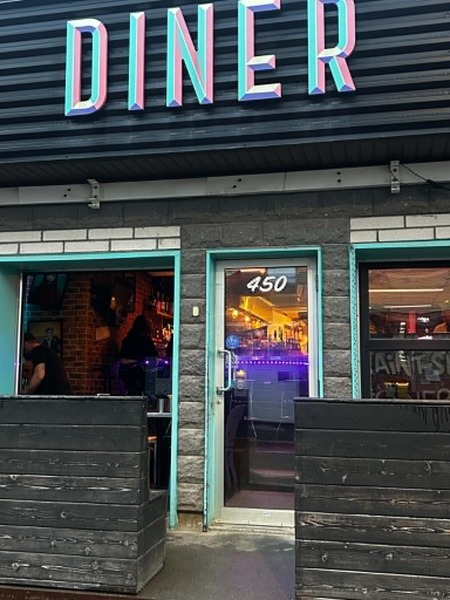
It’s early May 2026, a rainy Tuesday night in Saint-Sauveur. The neighborhood is in the middle of a makeover, especially along Rue Saint-Vallier Ouest. Parking’s a little tight if you’re driving, but the place still pulls you in, two big garage-style doors swing open to the street, promising something cozy inside.
Step through those doors and you’re in a snug, thirty-seat room. Some tables have retro banquettes, others face the kitchen so you can watch the chefs at work. The whole place feels like the neighborhood’s favorite hangout, laid-back, a little rowdy, and totally fun. That’s the vibe before you even look at the menu.
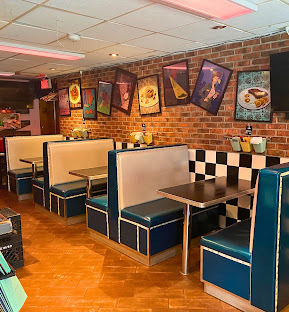
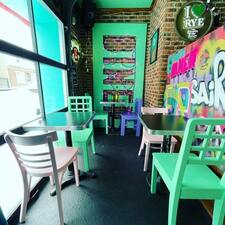
Diner Saint-Sauveur has been serving up its take on comfort food for eight years now. The three partners behind it love the way locals keep coming back, and how word has spread, visitors from across the Capitale-Nationale region, even tourists who’ve heard about the food, stop by to see what the fuss is about.
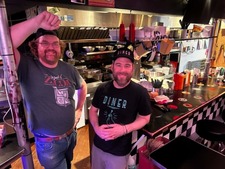
The team is small, eight people working shifts from 5 PM to 10 PM, Monday to Saturday, and 2 PM to 9 PM on Sundays. When we visited, partners Sylvain Barbeau and Eric Lemay showed us around. You can tell they live for this: years in the business, stories from every corner of it, and a clear idea of what they want the place to be.
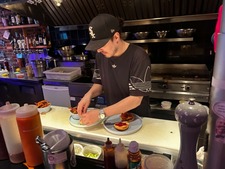
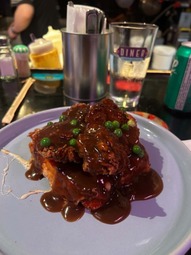
The menu is all about reinventing classics with an American diner twist. Burgers, classic and creative, share space with indulgent poutines, mac ’n’ cheese, and chicken ’n’ waffles. We tried their hot chicken sandwich: breaded chicken on grilled cheese, smothered in homemade brown sauce and peas. It’s the kind of dish that makes you want to come back for more.

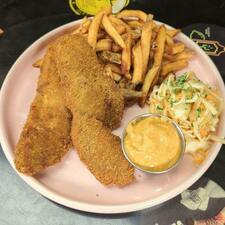
Other favorites include fish ’n’ chips, pâté chinois, pasta, meatloaf, and seafood. If you’re feeling adventurous and the ingredients are in, you can even build your own plate.
Drinks are just as thoughtfully put together. There’s a solid lineup of Québec microbrews, wine by the glass or bottle, and cocktails that are creative without trying too hard.
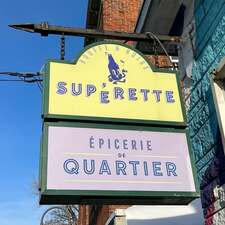
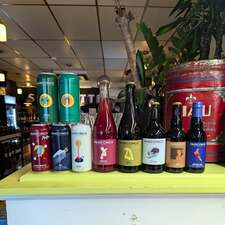
Space is tight, so the team opened *Supérette du Dîner* next door. It’s a neighborhood grocery focused on Québec-made food and drinks, craft beers, ciders, artisanal wines, plus non-alcoholic options and ready-to-drink mixes. It keeps the kitchen from getting overwhelmed and makes sure you can still grab something great even if the restaurant’s full.
The *Supérette* also stocks homemade ready-to-eat meals from the diner. It’s a smart way to let more people enjoy what they’re cooking, and the grocery’s open seven days a week with flexible hours.
Le Diner Saint-Sauveur
dinersaintsauveur.ca
450 Rue Saint-Vallier Ouest
Québec, QC G1K 1L1
(581) 741-4090
Supérette, neighborhood grocery
superettedudiner.com
411 Rue Saint-Vallier Ouest
Québec, QC G1K 1K7
581 705-9555
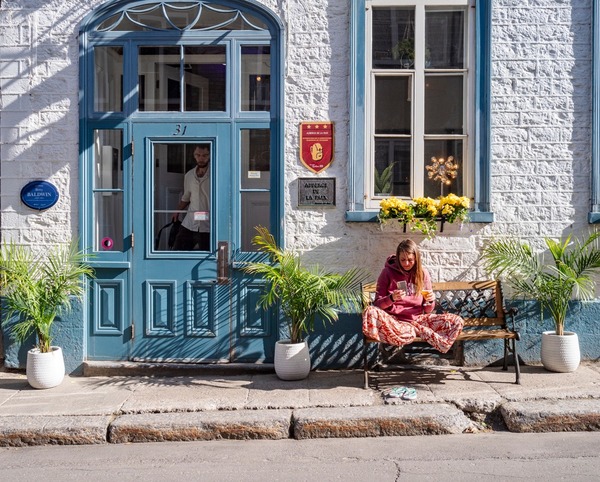
Some places just stick around. They become the kind of spot where people gather for good times, where every corner has a story. L’Auberge de la Paix on Rue Couillard in Vieux-Québec is one of those places.
It opened in 1972 as a youth hostel, born from the free-spirited energy of the 1970s. Back then, it was a non-profit, created to give travelers a cheap place to stay while keeping the doors wide open to the world. The idea was simple: a community space where young people and wanderers could crash, share stories, and figure things out together.
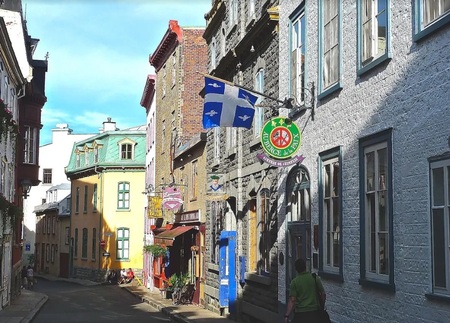
The hostel sits in a building from around 1850, right inside Vieux-Québec’s old fortifications, a neighborhood that’s now a UNESCO World Heritage site. The architect was Charles Baillairgé, the city’s go-to guy for design and engineering back in the day. The building even had a carriage passageway so horses and wagons could pull straight into the back courtyard.
Then came COVID-19. The hostel shut down completely in 2020, and the non-profit couldn’t keep going. The team didn’t have the money or the manpower to keep the doors open, so they had to call it quits in March 2023.
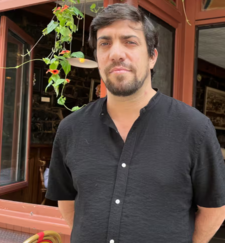
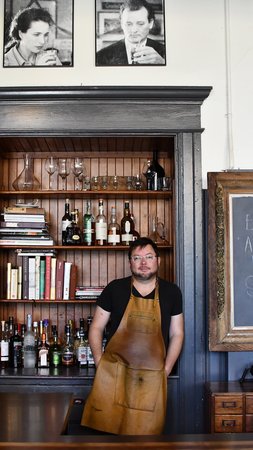
That’s when the owners of the café next door, Chez Temporel, stepped in. Mélissa Spénard-Lefebvre and Louis-Charles Tremblay (photo) decided to take over. They swapped their café hats for innkeeper ones, keeping the hostel’s spirit alive but running it as a business now. Their background in real estate and their love for Vieux-Québec’s history made the leap feel right.

The hostel reopened in May 2023, just in time for tourist season, and just over 50 years after it first started. Since then, they’ve poured more than $300,000 into renovations, safety upgrades, and sprucing the place up.
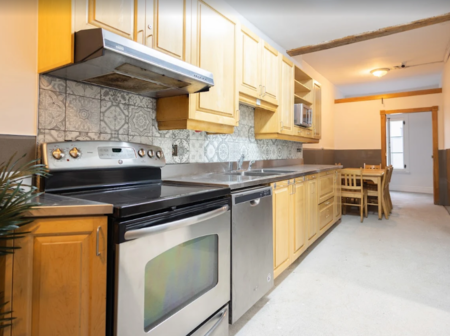
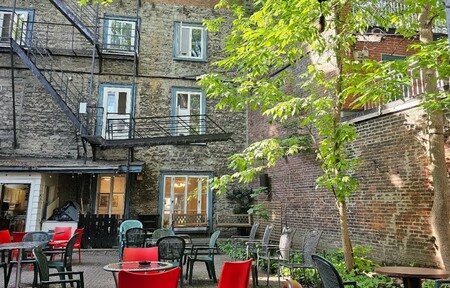
Today, it sleeps about sixty people in a mix of dorms and private rooms. The vibe is still the same, friendly, easygoing, the way hostels should be. And don’t assume it’s just for backpackers. Families stop by for short stays, and a lot of the guests are retirees who like things simple and enjoy a good conversation.
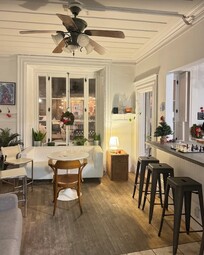
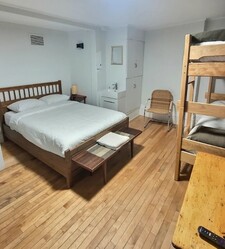
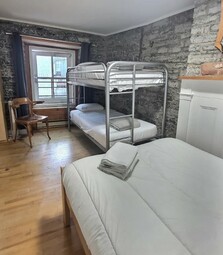
The hostel has everything you’d expect: a shared kitchen, a big common room, a nice courtyard, free Wi-Fi, and underground parking just two minutes away.
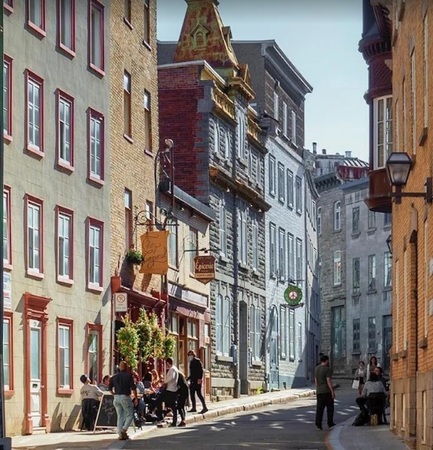
It’s also in a great spot. There are cafés and restaurants all around, including Chez Temporel just two doors down, plus a grocery store right next door. The new owners have added modern touches like digital locks with unique codes, so everyone feels safe.
Auberge de la Paix
aubergedelapaix.com
31 Rue Couillard
Québec, QC, G1R 3T4
418-694-0735
Located in downtown Moncton, the Aberdeen Cultural Centre is a historic building that houses several cultural organizations and artists' studios, serving as an important gathering place for the artistic community in southeastern New Brunswick.
It is also the location of the restaurant Les Brumes du Coude, which opened in 2014 with chef Michel Savoie at the helm. The bistro quickly made its mark among the top 100 restaurants in Canada. It offers simple and tasty cuisine—a true French bistro cuisine, a result of his seven years of cooking in France.
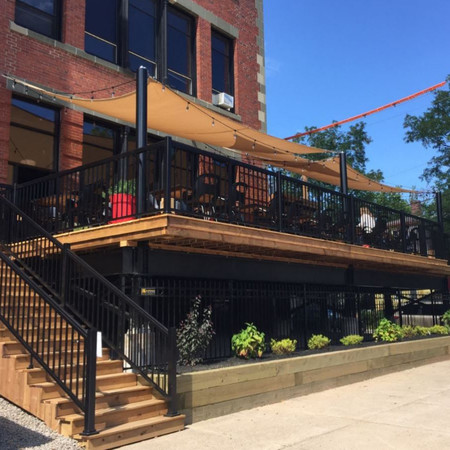
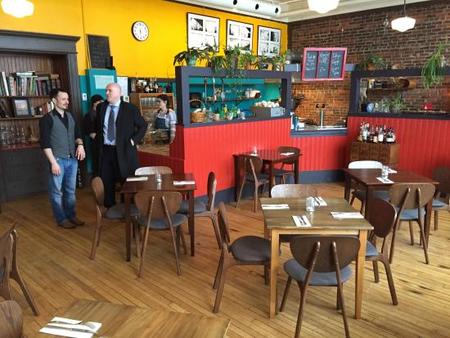
The restaurant is housed in a former classroom of the Aberdeen School, which became the Aberdeen Cultural Centre in 1986. In 2017, the centre added a 50-seat cultural terrace, managed by Les Brumes du Coude during the summer season.
So, where does the name of his restaurant come from? The city of Moncton is known for its Petitcodiac River, whose name means "which bends like a bow" in Mi'kmaq. The Acadians who settled there in 1733 called this place Le Coude because of the bend in this powerful brown river, where the mists from the marshes hide. To this day, Moncton is still nicknamed Le Coude.
However, the name Les Brumes du Coude has a very different meaning for the owner-chef Michel Savoie. He explains this term as being a description of what inspires him in cooking: the misty smells of simmered dishes, the vapors that are the result of physical effort, or elbow grease.
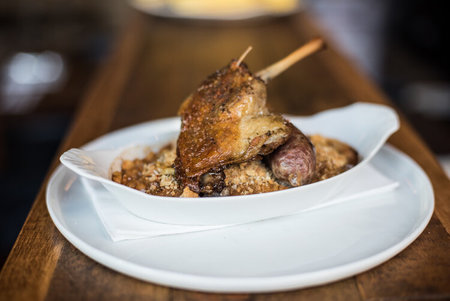
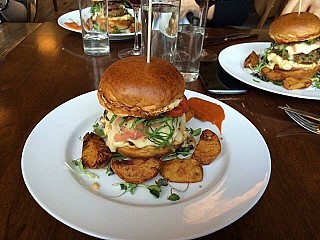
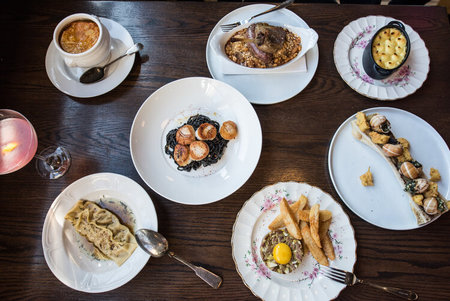
His cuisine is generous, fair, and on point, in the spirit of a French bistro. Inspired by seasonal local and sea products, it features a blend of French, Acadian, and other culinary traditions. "There is always something new to discover at Les Brumes du Coude because, just like the menu, the wine and cocktail list is constantly evolving. The team at Les Brumes du Coude will be pleased to welcome you to this lively, warm, and friendly space," he explains.
Originally from Tabusintac, a small village north of Néguac, Michel Savoie was not destined for the restaurant business. Before the end of his high school studies, he had not really shown an interest in cooking. Financial reasons did not allow him to attend university. At 18, with no particular qualifications, he found himself working in a kitchen, starting as a dishwasher. Gradually, he discovered a certain talent in the pots and pans.
He has been in the restaurant industry for about twenty years, mainly in Montreal and Tours, France, often holding positions at the lower end of the hierarchy. His move to France was because he followed his then-wife, who was French. Did he receive formal culinary training? He spent a few months at the ITHQ in his early twenties but was unable to complete the training due to financial constraints.
His desire to combat pervasive junk food, even in Moncton, motivated him to move forward with opening his own restaurant.
Could he be contributing to the reinvention of Acadian cuisine with his attempts to revalue local products? He would rather cook as much as possible with local and sea products from here. One might call it Acadian cuisine if the terroir in question corresponded to an Acadian territory. However, he prefers not to get involved in the thorny debate over the borders of Acadia.
In the meantime, we have the leisure and privilege of enjoying the place, its charming decor, its enticing menu, and the beautiful culinary discoveries that Michel Savoie shares with his clientele. And if you are a fan of mussels, know that the best of the kind have been savored here, in proportions to satisfy the greatest appetites.
Les Brumes du Coude
lesbrumesducoude.com
140 Botsford Street
Moncton, NB E1C 4X5
506 858-0777
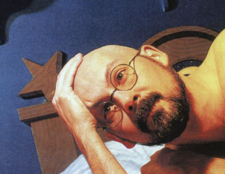
Born in Drummondville in 1954, Claude Bibeau pursued a career as a painter for more than 20 years. In 1973, he gained recognition by founding the Mouvement Bonbon with fellow painter Colin Chabot.
Whether labelled hyperrealist, naïve or surrealist, Bibeau’s paintings above all reveal a singular artistic personality and a sharp, original view of society. With his great command of drawing and colour, Bibeau left behind a rich, mature and, sadly, unfinished body of work. Two of his major paintings, “Figure de tragédie” and “Sébastien,” are part of the permanent collection of the Musée national des beaux-arts du Québec.
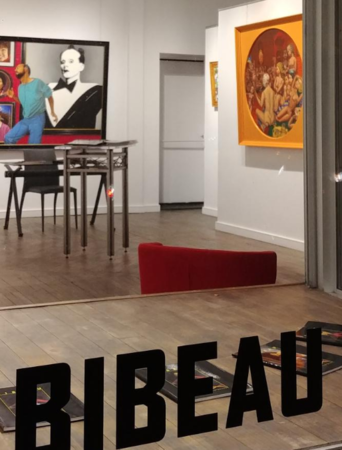

He explored the themes of naïve art, stylizing landscapes, objects and figures. His influences included pop art, of which he was one of the only exponents in Québec, as well as psychedelic imagery, hyperrealism and surrealism. His work was exhibited in France, Mexico and Canada, and most of it is held in private collections in Europe and North America.
Sadly, Claude Bibeau was diagnosed as HIV-positive in the early 1990s, and his health began to decline after 1996. He made a few trips to Europe with Uwe von Harpe, his partner of 17 years. In 1997, however, his partner’s sudden death and his own worsening health forced him to give up painting. On July 30, 1999, after several months battling AIDS, he died surrounded by his closest friends.
You can discover this unique artist by visiting L’Espace Claude Bibeau at www.galeriecb.com, which is managed by Christian Bédard.
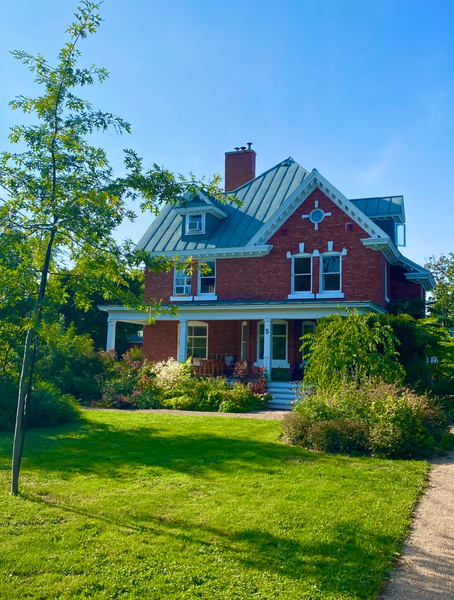
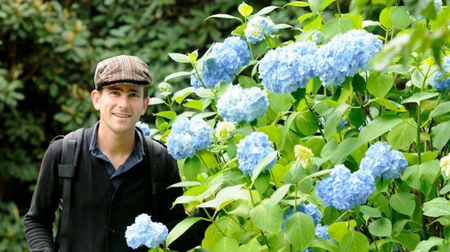
On the heights of Campbellton, near the Restigouche River, stands a grand manor over a hundred years old that Philippe Lévesque acquired, renovated, and lovingly furnished with good taste over the past seven years, a true passion project. But what will first delight
travelers who visit is the lush and vast garden that surrounds the property.
The owner's background in botany is evident in the profusion of flowers and plants of all kinds that can be admired from May to October. Not to mention the large number of green plants and other types of greenery that occupy various spaces inside.
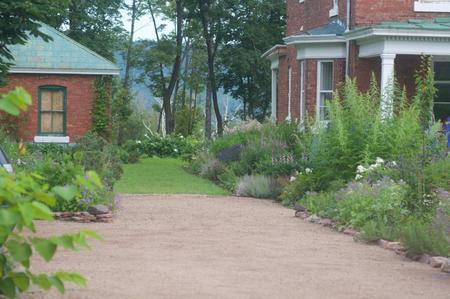
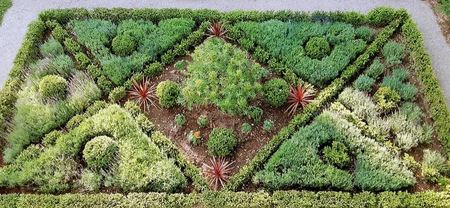
On its three floors, rooms and suites filled with antique or vintage furniture make this cottage a place where history and regional traditions have converged since 2022, all year round. This lover of vegetation and nature cultivates the art of warm hospitality as much as that of the plants in the vast garden.
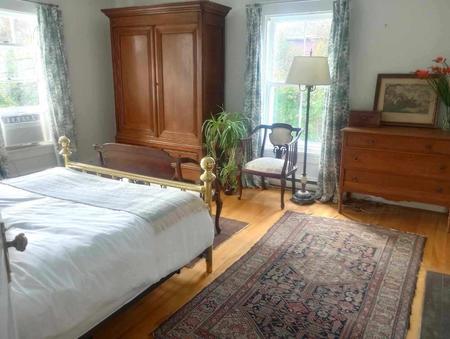
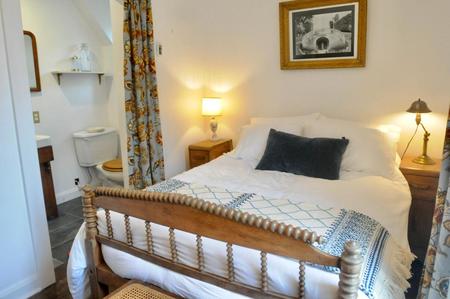
According to some comments read on the booking site, the quality of the stay at Maison Napier is noteworthy. “The architecture and associated furniture, Napier House has retained its charm! Philippe's welcome is very warm, the breakfast just perfect, with silverware and homemade jams,” can be read among the mentions.
From the entrance, you can smell something baking in the oven, which adds to the pleasure of the stay. Breakfasts are always a precious moment of the day.
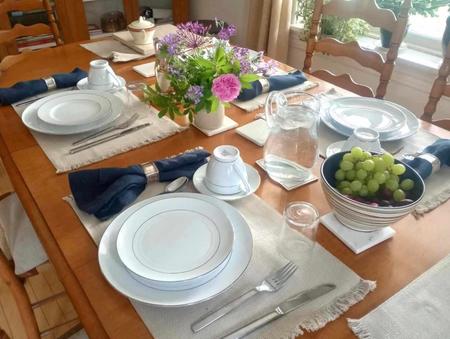
Maison Napier offers 4 bedrooms and a two-bedroom apartment for rent daily or weekly. The house's decor is in keeping with its architectural style and age, but it offers all the comforts of modern life.
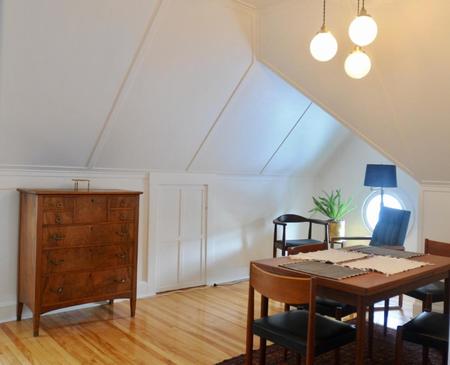
Its host and owner continues his work of landscaping and renovating the residence which once hosted a senior American executive of a manufacturing company who stayed there with his family during his tenure with the Campbellton company.
Worth noting, the place is only a few steps from the Interprovincial Bridge that connects Listuguj and Pointe-à-la-Croix at the start of the Baie des Chaleurs in Quebec, and the Restigouche region on the New Brunswick side.
Maison Napier
5 Stanley Street
Campbellton, NB
506-760-1945
phili664.wixsite.com/maison-napier
The very name of this ecotourism company already evokes something special. A blend of spatial escape and earthly experience comes to mind even before discovering what it offers.
Pat Gauvin and Émilie Leblanc founded Cielo Glamping Maritime, a year-round ecotourism accommodation site open since January 2019 in Haut-Shippagan, within Acadian territory in New Brunswick. Yet, nothing initially pointed these two young professionals—who worked in vastly different fields—toward entrepreneurship. He was a film and television producer-director; she worked in health and research.
In 2017, when they conceived this project, it was their deep connection to the community, their Acadian heritage, and their desire to showcase local and regional products and producers to a wider audience that inspired them. “There was no model like it in the region or anywhere nearby. Our concept was unique. The dome structures we wanted didn’t exist in the country. We found them in Poland. Then, we designed and built the interiors ourselves. The development site was untouched wilderness, with only a single path leading to it,” explains Patrick, whose family has a long entrepreneurial history near Moncton. Patrick grew up in Haut-Shippagan, while Émilie hails from the region.
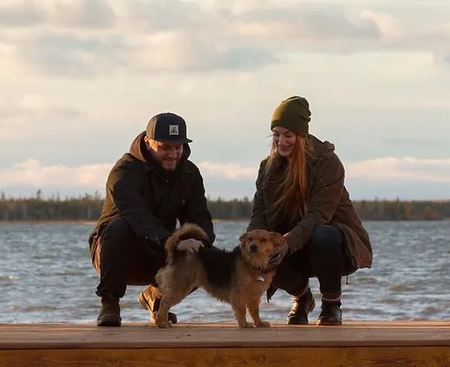
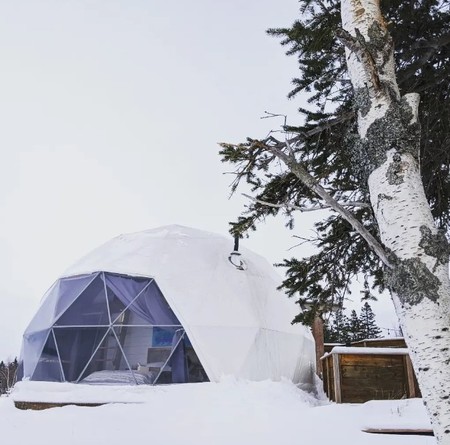
Cielo Glamping is located on the shores of St. Simon Bay, where guests can enjoy stunning sunsets from one of five luxurious domes available for rent. These domes, nicknamed the Pearls, are fully equipped small homes featuring a full kitchen, a bathroom with a glass shower, a charcoal BBQ, a hammock, a seasonal outdoor shower, and year-round electric hot tubs.
The Pearl of the Woods: Named for the surrounding forest. Sparse trees and coastal hay highlight an unrivaled view of St. Simon Bay. The Munro Pearl: Offers a unique view of Munro Island, framed by the famous sunsets over the water. It is the only dome with a semi-accessible ramp for people with reduced mobility. The St. Simon Pearl: Showcases the beautiful St. Simon Bay, whose breathtaking sunsets are unforgettable. It is also named after the famous oyster cultivated by Huîtres Mallet. The Moon Pearl: The only dome where guests can bring their dog. Watch the stars from the second-floor bed in this moon-inspired dome. The Lunatia Pearl: Inspired by the Atlantic moon snail found in the bay and the skylight that lets you glimpse the moon.
To give guests a full Acadian experience and showcase local products, they created the Hub—a space focused on sharing resources and networking between community members, visitors, and local producers. The Hub emphasizes developing, producing, promoting, and selling new local products. The Cielo site includes extensive gardens where vegetables, small fruits, and edible flowers are grown and transformed in the on-site kitchen.
Since its inception, the Hub team has created dozens of new products, either made in the commercial kitchen or in collaboration with various regional producers.
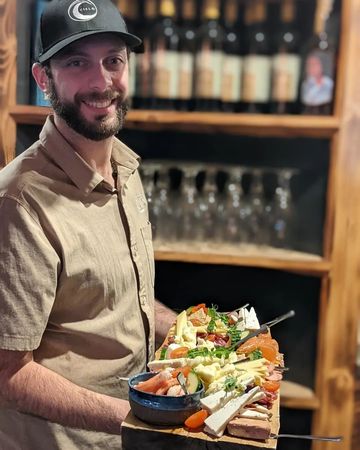
The Hub’s unique dining concept revolves around discovering these products and others from New Brunswick producers. Guests can select products from the Hub’s gourmet shop, and the team will transform them into exquisite Cielo sharing boards. Gift boxes with three or more products can also be assembled.
Cielo’s owners, Patrick and Émilie, are thrilled with their growing international recognition, with features in multiple publications and television programs locally and abroad. According to them, 60% of their clientele comes from New Brunswick, about 30% from Quebec and Ontario, and the rest from European tourists.
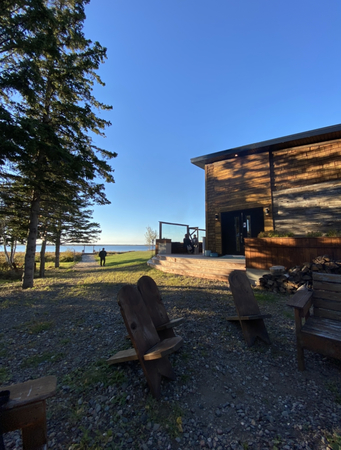
For now, there are no plans to add more domes or undertake major work. However, the entrepreneurial couple is working on a unique new accommodation project: converting a crabbing boat into a tourist lodging. Patrick and Émilie are sure to keep surprising everyone.
Also, watch for upcoming events in 2024 and 2025: the Hub will host performances by various artists (singers, musicians, etc.) from Acadia and beyond. Memorable evenings await.
Cielo Glamping Maritime
glampingcielo.com
232, Chemin des Huîtres
Haut-Shippagan, New Brunswick
506 601-8005